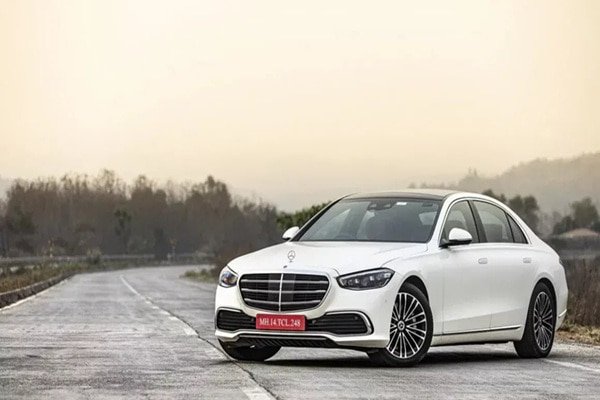
German cars hold a special place in the Indian automotive market. They are not just vehicles. They are statements of success, taste, and engineering appreciation. When you see a BMW, a Mercedes, or an Audi on Indian roads, you know the owner values quality above all else.
The reputation of German engineering is legendary. Precision, durability, and advanced technology define every vehicle that comes from this European nation. For Indian buyers, owning a German car means experiencing a level of performance and luxury that few other brands can match.
This guide covers everything about German cars in India. We will look at the top brands, their best models, pricing, electric options, and what makes these vehicles so special. Whether you are a first time luxury buyer or a seasoned enthusiast, this information will help you make an informed choice.
Why German Cars Dominate the Indian Luxury Market
German car brands have built an incredible reputation in India over the past two decades. Several key factors explain their popularity among Indian buyers.
First, engineering superiority stands out. German cars use high quality materials and exacting manufacturing standards. The build quality is exceptional. Doors close with a solid thud. Panels fit perfectly. Nothing rattles or shakes, even after years of use on rough Indian roads.
Second, safety is a top priority. German manufacturers pioneered many safety features now common in the industry. Strong passenger cells, multiple airbags, and advanced driver assistance systems come standard. Many German models earn top scores in global crash tests.
Third, performance and driving dynamics set them apart. German engineers tune their cars for responsive handling and engaging driving experiences. Even their SUVs feel planted and controlled in corners. The steering is precise. The brakes inspire confidence.
Fourth, the status symbol factor cannot be ignored. In India, a German luxury car signals success and achievement. It opens doors in business and social circles. The three pointed star of Mercedes, the kidney grille of BMW, and the four rings of Audi carry immense prestige.
Finally, the driving experience itself is addictive. Once you drive a well engineered German car, regular cars feel vague and disconnected. The feedback through the steering wheel, the response of the engine, the composure over bumps. Everything feels right.
Top German Car Brands Operating in India
Five major German brands currently sell vehicles in India. Each has its own character and strengths.
Volkswagen is the people’s car brand. It offers German engineering at accessible prices. Models like the Virtus sedan and Taigun SUV bring European build quality to the mass market. Volkswagen targets buyers who want German reliability without the luxury price tag.
Skoda is technically Czech but operates under the Volkswagen Group. It shares platforms and technology with Volkswagen. Skoda offers great value with models like the Slavia sedan and Kushaq SUV. The brand focuses on spacious interiors and distinctive design.
BMW stands for driving pleasure. The brand’s slogan is “Sheer Driving Pleasure,” and it delivers on that promise. BMW cars are rear wheel drive based, which gives them exceptional balance and handling. The interiors are driver focused with high quality materials.
Mercedes-Benz represents luxury and comfort. The three pointed star is the most recognized luxury car badge in India. Mercedes cars prioritize a smooth, quiet ride and a pampering interior experience. The brand has the widest service network among German luxury manufacturers.
Audi targets younger, tech savvy buyers. The four rings brand emphasizes modern design, virtual cockpits, and all wheel drive quattro technology. Audi cars look sharp and futuristic. They appeal to professionals and entrepreneurs who want to make a statement.
Porsche is the performance brand. It sits at the very top of the German automotive hierarchy. Porsche offers sports cars like the 911 and SUVs like the Cayenne. These are machines for serious driving enthusiasts who demand the best.
Most Affordable German Cars in India
Not all German cars cost a fortune. Volkswagen and Skoda offer entry points into German engineering at reasonable prices.
The Volkswagen Virtus is the most affordable German car in India. Prices start at around 11.32 lakh rupees. This sedan comes with a 1.0 liter turbocharged engine producing 114 horsepower. It returns an impressive 19.4 kilometers per liter. The Virtus offers a big car feel at a small car price.
The Skoda Slavia is Virtus’s cousin. Prices start at 10.34 lakh rupees. It shares the same engine and platform but wears different styling. The Slavia has a more distinctive design language. Both cars come with 5 star Global NCAP safety ratings, which is exceptional at this price point.
The Volkswagen Taigun is a compact SUV based on the same platform. Prices start around 11.7 lakh rupees. The Taigun offers higher ground clearance and a more commanding driving position. It is perfect for Indian families who want German build quality in an SUV body.
The Skoda Kushaq is the Taigun’s sibling. Prices start at 10.89 lakh rupees. It shares the same engines and features but looks different. Both compact SUVs have become very popular in India. They offer the perfect balance of affordability, quality, and performance.
Entry Level Luxury German Cars
Moving up the ladder, the entry level luxury segment starts around 45 lakh rupees. This is where BMW, Mercedes, and Audi compete.
The Audi Q3 starts at 44.89 lakh rupees. This compact luxury SUV uses a 2.0 liter turbocharged engine making 188 horsepower. A 7 speed dual clutch transmission sends power to all four wheels. The Q3 offers a premium interior with Audi’s virtual cockpit display.
The BMW 3 Series 330i Sport is priced at 46.86 lakh rupees. This sedan uses a 2.0 liter turbo engine producing 255 horsepower. That is the most power in this price segment. The 3 Series is rear wheel drive, which gives it exceptional handling. BMW fans consider this the ultimate driving machine in its class.
The Mercedes Benz C Class starts around 61.85 lakh rupees. It is more expensive than its rivals but offers a plusher interior. The C Class prioritizes comfort over sportiness. The ride is smooth and quiet. The cabin feels like a mini S Class.
The BMW X1 starts at 45 lakh rupees. This compact SUV offers the high driving position that Indian buyers love. It uses front wheel drive based architecture, which frees up interior space. The X1 is practical and premium at the same time.
High Performance German Cars
For enthusiasts, German manufacturers offer high performance variants. These cars carry AMG, M, or RS badges. They transform regular models into track ready weapons.
The Mercedes AMG GLA 35 costs 61 lakh rupees. This crossover SUV packs a 2.0 liter turbo engine making 302 horsepower. It launches to 100 kilometers per hour in just over 5 seconds. The AMG tuned suspension and all wheel drive make it incredibly capable.
The BMW M340i is not listed in our references but deserves mention. It uses a 3.0 liter inline six cylinder engine making over 370 horsepower. This car can keep up with dedicated sports cars while carrying the family in comfort.
The Audi RS Q8 costs 2.22 crore rupees. This SUV uses a 4.0 liter twin turbo V8 producing 591 horsepower and 800 Newton meters of torque. It can accelerate to 100 kilometers per hour in less than 4 seconds. An SUV should not be this fast, but Audi built it anyway.
The BMW M5 costs 1.73 crore rupees. This executive sedan packs a 617 horsepower twin turbo V8. It can hit 100 kilometers per hour in 3.9 seconds. The M5 looks like a normal 5 Series, but it drives like a supercar. That is the appeal of German performance cars.
Luxury Flagship Models
At the very top of the range sit the flagship models. These cars cost over 2 crore rupees and offer the ultimate in luxury and technology.
The Audi Q8 costs 1.06 crore rupees. This coupe style SUV uses a 3.0 liter turbo V6 making 335 horsepower. The interior is spacious and packed with screens. The Q8 makes a bold style statement.
The Porsche Cayenne starts at 1.26 crore rupees. This SUV uses a 3.0 liter turbo V6 producing 335 horsepower. The Cayenne handles like a sports car despite its size. Porsche’s engineering magic is on full display here.
The Mercedes Maybach S Class costs 2.57 crore rupees. This is the ultimate luxury sedan. The 4.0 liter twin turbo V8 makes 496 horsepower. But power is not the point. The back seat is where this car shines. Reclining seats, massagers, refrigerators, and massive screens. You arrive at your destination feeling refreshed.
The BMW 7 Series starts at 1.8 crore rupees. It competes directly with the S Class. The 7 Series offers a more driver focused experience. The rear seats are still incredibly luxurious, but the front seat is also enjoyable.
German Electric Vehicles in India
German brands are leading the electric vehicle charge in India’s luxury segment. Several impressive EVs are now available.
The BMW i4 costs 69.9 lakh rupees. This electric Gran Coupe produces 335 horsepower. It can travel 590 kilometers on a full charge. The i4 looks like a regular 4 Series but drives silently. It offers the perfect blend of BMW driving dynamics and zero emissions.
The BMW iX is an electric SUV priced around 1.2 crore rupees. It offers even more range and space than the i4. The iX features a futuristic interior with a curved display and hexagonal steering wheel.
The Mercedes EQS is the electric equivalent of the S Class. It costs around 1.5 crore rupees. The EQS offers over 700 kilometers of range. The interior features a massive 56 inch Hyperscreen that spans the entire dashboard. It is like sitting in a spaceship.
The Audi e Tron SUV and e Tron GT are also available. The e Tron GT is a stunning electric sports sedan that rivals the Porsche Taycan. Audi has also expanded its charging network to over 6,500 locations across India.
Price Comparison of German Cars in India
Here is a quick price summary of popular German models.
The Volkswagen Virtus starts at 11.32 lakh rupees. The Skoda Slavia starts at 10.34 lakh rupees. These are the most affordable German cars.
The Audi Q3 starts at 44.89 lakh rupees. The BMW 3 Series starts at 46.86 lakh rupees. These are entry level luxury options.
The BMW i4 starts at 69.9 lakh rupees. The Mercedes AMG GLA 35 costs 61 lakh rupees. These are performance and electric options.
The Audi Q8 costs 1.06 crore rupees. The Porsche Cayenne starts at 1.26 crore rupees. These are premium SUVs.
The BMW M5 costs 1.73 crore rupees. The Audi RS Q8 costs 2.22 crore rupees. These are high performance flagships.
The Mercedes Maybach S Class costs 2.57 crore rupees. This is the ultimate luxury sedan.
Pros and Cons of Owning a German Car in India
German cars offer many advantages. The build quality is exceptional. These cars feel solid and secure on the road. Safety features are class leading. Many models have 5 star crash test ratings.
The driving experience is engaging. German cars respond precisely to driver inputs. The steering, brakes, and suspension work in harmony. Long highway journeys feel effortless.
The brand value is significant. A German luxury car commands respect. It can help in business and social situations. Resale value remains strong for popular models.
However, there are downsides. Maintenance costs are higher than Japanese or Korean cars. Parts and labor at authorized dealerships are expensive. Some components need to be imported, which takes time.
Fuel costs are higher. Performance oriented German engines require premium petrol. The more powerful models return single digit fuel economy figures.
Service network coverage is limited outside major cities. If you live in a smaller town, getting your German car serviced can be challenging. You may need to drive several hours to reach a dealership.
Insurance premiums are higher for luxury vehicles. Comprehensive coverage for a German car costs significantly more than for a mass market car.
Also Read : Ford Flex Price in India 2026: Specs, Mileage, Features, and Import Cost
German Cars vs Japanese and Korean Brands
How do German cars compare to competitors from Japan and Korea? The differences are clear.
German cars prioritize driving dynamics and luxury. Japanese brands like Toyota and Honda focus on reliability and fuel efficiency. Korean brands like Hyundai and Kia emphasize features and value for money.
Build quality favors the Germans. They use thicker steel, better sound deadening, and higher grade interior materials. German cars feel more substantial from the moment you close the door.
Technology is advanced across all brands. But German systems are often more sophisticated. Features like adaptive suspension, rear wheel steering, and heads up displays appear first on German cars.
Maintenance costs are lower for Japanese and Korean cars. Parts are more readily available. More independent mechanics can work on them. Insurance is cheaper.
Resale value depends on the model. Popular German cars like the BMW 3 Series and Mercedes C Class hold value well. But mass market Japanese cars like the Toyota Fortuner have even stronger resale.
For buyers who prioritize driving pleasure and prestige, German cars are worth the premium. For buyers who prioritize low running costs and hassle free ownership, Japanese or Korean brands make more sense.
The Future of German Cars in India
German brands are committed to the Indian market. They continue to launch new models and expand their service networks. Local assembly has made many models more affordable.
Electric vehicles are the next frontier. BMW, Mercedes, and Audi have all launched compelling EVs in India. More models are coming. The charging infrastructure is slowly improving.
The demand for luxury cars in India is growing. The middle class is expanding. More people can afford premium vehicles. German brands are well positioned to capture this demand.
However, competition is increasing. Volvo from Sweden and Jaguar Land Rover from Britain offer alternatives. Genesis from Korea may enter India soon. German brands cannot rest on their reputation.
Despite the challenges, German cars will remain popular in India. The combination of engineering excellence, brand prestige, and driving pleasure is hard to beat. For Indian car enthusiasts, owning a German car remains a dream worth pursuing.
Final Thoughts
German cars represent the pinnacle of automotive engineering. In India, they have become symbols of success and taste. From the affordable Volkswagen Virtus to the ultra luxurious Mercedes Maybach S Class, there is a German car for every budget and preference.
The decision to buy a German car involves trade offs. You pay more for purchase, maintenance, and fuel. But you gain an unmatched driving experience, exceptional safety, and immense brand pride.
For many Indian buyers, those trade offs are worth it. The feeling of sitting behind the wheel of a BMW, Mercedes, or Audi is special. The way the car responds to your inputs is addictive. The looks you get from others on the road are satisfying.
German cars are not for everyone. But for those who appreciate fine engineering and driving dynamics, nothing else will do. They are worth every rupee.