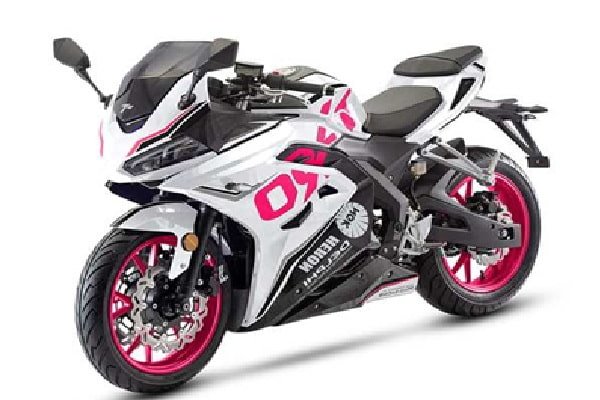
Taro GP 1 V3 has been making waves across Asian markets. This sporty machine brings serious looks and solid performance to the entry level segment. Riders who want a full faired sports bike without spending a fortune have started paying attention. The bike competes directly with established names like the Yamaha R15 V4 and Honda CBR150R. But does it have what it takes to win over serious bikers? Let us break down everything you need to know.
The Story Behind Taro Motors
Taro carries an interesting background. The brand has Italian origins but manufactures its motorcycles in China. This mix of European styling and Asian production helps keep costs down. Taro first gained popularity in Bangladesh where bikers loved the aggressive looks of their full faired machines. The company built trust through solid engine performance and eye catching designs. After the success of the GP1 and GP V2, Taro launched the Version 3 with meaningful updates. The brand understands what young riders want. Sporty aesthetics, reliable mechanics, and affordable price tags.
First Look at the Design Language
Walk up to the Taro GP 1 V3 and the bike commands attention. The front end features dual projection LED headlights with LED daytime running lights. Those DRLs look like angry eyebrows staring down the road. The full fairing flows smoothly from nose to tail with sharp creases and muscular panels. Taro took clear inspiration from bikes like the Aprilia RSV4. That is not a bad thing when the execution looks this clean. The rear section stays edgy with LED taillights and a well sculpted tail. Seven color options are available including red, blue, black, and orange. Each paint scheme highlights the bike’s aggressive lines. The steel trellis frame sits exposed in some areas adding a technical rawness to the appearance.
Engine Specifications That Matter
Under the fairing sits a single cylinder four stroke engine. Displacement comes in at 155.2cc. The powerplant uses liquid cooling and electronic fuel injection. Those two features alone put it ahead of many budget sports bikes. Peak power reaches 19 horsepower at 9,000 rpm. Maximum torque hits 14.5 Nm at 8,000 rpm. The numbers might not break records but they make sense for a 150cc class machine. A six speed manual transmission sends power to the rear wheel via chain drive. The engine feels eager to rev and responds well to throttle inputs. Taro claims a top speed of 140 kilometers per hour. Real world riders report similar figures. For daily riding and weekend canyon carving, that is plenty.
Riding Performance and Real World Feel
Get on the GP 1 V3 and the sporty intent becomes clear. Clip on handlebars push your posture forward. The step up seat holds you in place during hard acceleration. Engine power builds smoothly from low rpm before pulling harder past 7,000 rpm. The six speed gearbox shifts with positive clicks. Clutch pull feels light enough for city traffic. Highway cruising at 100 to 110 kmph feels stable and relaxed. Push towards the top end and the bike remains composed. Overtaking requires a downshift or two but the engine responds willingly. Fuel efficiency comes in at 40 kilometers per liter. Combined with the 13.5 liter fuel tank, range stretches past 500 kilometers. That means fewer fuel stops and more riding time.
Suspension Setup and Ride Quality
Taro made smart choices with the suspension. Front end uses hydraulic telescopic forks. Rear end gets a mono shock linked to the swingarm. Some competitors offer upside down forks at higher price points. Taro skipped those to keep costs down. The trade off works for most riders. Telescopic forks handle bumps adequately and provide decent feedback. The rear mono shock absorbs bigger hits without bottoming out. Suspension travel measures 140 mm up front and 120 mm at the rear. Sporty riding feels controlled but not harsh. City potholes transmit some vibration but nothing deal breaking. For the price, the balance between comfort and handling hits a sweet spot.
Braking System and Safety Features
Here is where things get interesting. The GP 1 V3 comes with dual 300 mm disc brakes at the front. Yes, dual discs on a 150cc bike. That is excessive by any measure. Combined with the single 240 mm rear disc, stopping power is immense. A dual channel ABS system backs up the hardware. The ABS adds safety without being overly intrusive. Hard braking from high speed stops the bike straight and true. Newer riders will appreciate the extra margin for error. Experienced riders might find the front brakes grabby at low speeds. A single larger disc up front would have been sufficient. But Taro went for the wow factor and visual appeal. Safety never hurts, even if it is overkill.
Tyres and Handling Characteristics
Seventeen inch alloy wheels come standard with a five spoke design that looks sharp. Front tyre measures 110/70 17. Rear tyre measures 150/70 17. That rear width is impressive for a 150cc machine. Wide tyres provide excellent grip and stability. Cornering feels planted and confidence inspiring. The radial construction helps the tyre maintain shape under hard riding. Wet grip remains predictable though not class leading. Tyre life should last most riders 15,000 to 20,000 kilometers with normal use. The combination of wide rubber and trellis frame makes handling a strong point. Turn in requires a bit of effort but the bike holds lines well once leaned over.
Dimensions and Ergonomics
Sitting on the GP 1 V3 reveals its sporty intentions. Seat height measures 780 to 800 mm depending on which specification sheet you read. Either way, most riders can flat foot or come close. The kerb weight is 150 kilograms which feels light when maneuvering at low speeds. Wheelbase stretches 1,422 mm providing stability at speed. Ground clearance stands at 180 mm, enough for aggressive cornering without scraping hard parts. Total length is 2,050 mm, width 720 mm, and height 1,155 mm. The riding triangle leans forward with weight on your wrists. Long highway stints may cause fatigue. But sports bikes are not designed for touring. The pillion seat exists but your passenger will not thank you for long rides. This is a machine built for the rider.
Features That Add Value
Taro packed the GP 1 V3 with modern electronics. The TFT colour instrument cluster stands out immediately. Display includes speedometer, tachometer, odometer, two trip meters, fuel gauge, and clock. Gear position indicator helps new riders. Engine temperature warning and battery charge indicator add practicality. The cluster has two display themes for personal preference. Full LED lighting covers headlight, taillight, and turn signals. Visibility at night is excellent. The bike also includes a pass light switch and auto headlamp on feature. Missing features include slipper clutch, quick shifter, and riding modes. Competitors offer these at higher price points. Taro had to draw the line somewhere. The included features still offer strong value.
Colours and Customisation
Taro offers the GP 1 V3 in seven colours. Red, blue, black, and orange are the main options. Each colour scheme comes with contrasting graphics and accents. The black version looks stealthy and aggressive. Red pops and screams sport bike attitude. Blue has a calmer but still racy vibe. Orange stands out in a crowd. Paint quality feels adequate for the price point. Graphics are clear and well applied. Some markets receive limited colour options based on distributor choices. Bangladesh for example only gets dark black with blue outlines. Indian buyers should expect all seven options if the bike launches there.
How It Compares to Rivals
The 150cc sports bike segment has heavy hitters. Yamaha R15 V4 leads with refinement and a slipper clutch. Honda CBR150R offers Honda reliability and smooth power. Kawasaki Ninja 200 remains a rumoured upcoming competitor. Taro GP 1 V3 competes on value and looks. The price of 1.70 lakh rupees undercuts the Yamaha and Honda significantly. You sacrifice some fit and finish for the savings. The missing slipper clutch matters for aggressive downshifting. But the GP 1 V3 offers dual front discs, a TFT display, and wide tyres. Many riders will choose lower price and better features over brand recognition. Taro positions itself as the smart choice for budget conscious sport bike fans.
Market Availability and Launch Status
Taro currently operates in limited Asian markets. Bangladesh has the strongest presence with an official distributor. Other countries like Nepal, Sri Lanka, and Indonesia may have availability. India remains a target market though no official launch date exists. The Indian entry level sports segment is huge. A price of 1.70 lakh rupees ex showroom would be aggressive. Yamaha R15 V4 costs significantly more. If Taro manages to launch in India with proper service support, the GP 1 V3 could sell very well. For now, interested buyers need to check local importers or wait for official announcements.
Build Quality and Reliability Concerns
Chinese manufacturing often raises questions about reliability. Taro tries to address this through their Italian brand association. Real world owner reports suggest decent reliability. The engine holds up well with regular maintenance. Electrical components like the TFT display and LED lights work without frequent failures. Fit and finish is not at Japanese levels. Some panel gaps exist. Plastic quality feels slightly cheaper than Honda or Yamaha. Fasteners may need occasional tightening. But for the price, the trade off is reasonable. Owners who perform basic maintenance will get good service life. Parts availability depends on the market. Bangladesh has good support. Other countries may struggle. Consider local service options before purchasing.
Who Should Buy the Taro GP 1 V3
Young riders on a budget make up the primary audience. First time sport bike buyers will love the looks and features. Experienced riders looking for a cheap second bike might also consider it. The GP 1 V3 works well for daily commuting with a sporty flair. Weekend rides on twisty roads reveal its handling strengths. Tall riders may find the ergonomics cramped. Short riders will appreciate the accessible seat height. The bike does not suit long distance touring or two up riding. Buyers who prioritise brand prestige should look elsewhere. Those who want maximum value for their money should test ride the Taro.
Also Read : Yamaha YZF R4 Price, Specs, Top Speed, and Launch Details
Maintenance and Running Costs
Simple mechanical design keeps maintenance affordable. The single cylinder engine uses easily available oil and filters. Service intervals are typical for the class. Valve clearance checks every 5,000 kilometers is recommended. The chain drive requires regular cleaning and lubrication. Brake pads wear normally. The dual front disc setup means two sets of pads instead of one. Tyre replacement costs more due to the wide 150 section rear tyre. Fuel costs stay low thanks to 40 kmpl efficiency. Overall running costs should undercut premium Japanese rivals. Just find a mechanic familiar with Chinese bikes or learn basic maintenance yourself.
Pros and Cons at a Glance
The Taro GP 1 V3 gets many things right. Design looks stunning and aggressive. Features like TFT display and LED lights add modern appeal. Wide tyres and dual front discs enhance safety and handling. The 19 horsepower engine offers good performance for daily use. Fuel efficiency keeps running costs low. The low price makes sport bike ownership accessible.
Some drawbacks exist. No slipper clutch makes aggressive downshifting less smooth. Front suspension could be USD forks instead of telescopic. Build quality does not match Japanese standards. Seat height on some models reaches 800 mm which may challenge shorter riders. Service and parts availability depends heavily on your location. Missing quick shifter and riding modes show the budget constraints.
Final Verdict From Real World Experience
The Taro GP 1 V3 delivers exactly what it promises. An affordable, good looking, feature packed sport bike. Ride one and the smiles come easily. The engine has enough punch for fun without being intimidating. The handling inspires confidence even on unknown roads. Braking power exceeds what any 150cc bike needs but that is not a complaint. Missing premium features like slipper clutch are noticeable only if you ride back to back with an R15. For most riders, the GP 1 V3 offers 90 percent of the experience for 70 percent of the price.
Taro built a bike for people who love riding but hate overpaying. The Italian styling and Chinese manufacturing create a unique package. Young bikers looking to enter the sport bike world will find a welcoming machine here. Experienced riders wanting a cheap thrills machine should also take a look. The GP 1 V3 does not try to be perfect. It tries to be fun, affordable, and accessible. On all three counts, it succeeds.
Before buying, check local availability and service support. Find a dealer and sit on the bike. Take a test ride if possible. The Taro GP 1 V3 might not be the most polished sport bike on the market. But it might be the smartest choice for your wallet and your weekend rides.