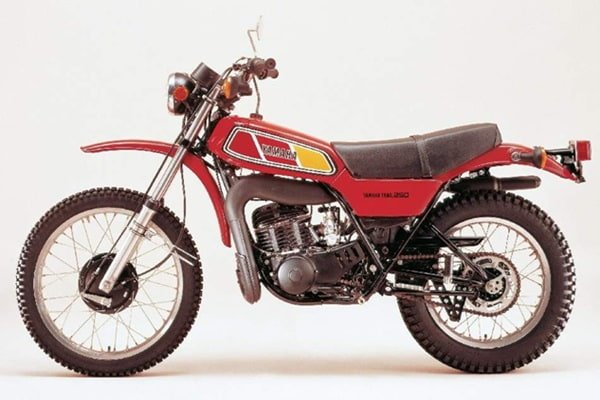
The moment you ride the Yamaha DT 250, you understand why it built such a strong reputation across decades. It feels simple, light, and honest. There is no distraction from electronics or complex systems. It is just you, the machine, and the terrain ahead.
This motorcycle became popular at a time when riders wanted one bike that could handle both road and dirt. It delivered that balance in a way few machines could match back then. Even today, the DT 250 is remembered as one of the most important dual-sport motorcycles ever made.
The Birth of the Yamaha DT 250
Yamaha Motor Company introduced the DT 250 during a period when off-road riding was growing rapidly. Riders wanted bikes that could handle trails but still be legal for road use.
The DT series was Yamaha’s answer to this demand. The 250 stood out because it offered strong performance without becoming too heavy or difficult to manage.
It quickly gained popularity among both beginners and experienced riders. It was easy to ride, reliable, and capable on different terrains.
A True Dual Sport Philosophy
The DT 250 was built around a clear idea. It had to perform well on dirt trails and still feel comfortable on paved roads.
This balance is what defines a true dual-sport motorcycle. The suspension, tires, and riding position were all designed to handle rough terrain while maintaining road usability.
Many modern bikes claim to be dual-sport, but the DT 250 set the foundation for what that category should be.
Engine Performance and Simplicity
The DT 250 used a two-stroke engine, which was common for off-road bikes of its time. This type of engine is lighter and delivers quick power.
The engine produced strong low-end and mid-range power, making it ideal for trail riding. Riders could easily control the bike in tight spaces and uneven terrain.
Maintenance was also simpler compared to modern engines. This made the bike more accessible for riders who preferred to work on their own machines.
Lightweight Design and Handling
One of the biggest strengths of the Yamaha DT 250 is its lightweight design. A lighter bike is easier to control, especially off-road.
The frame was built to handle rough use without adding unnecessary weight. This helped the bike stay agile and responsive.
Handling was predictable and stable. Whether riding on dirt, gravel, or pavement, the bike felt balanced and easy to manage.
Suspension Built for Real Terrain
The suspension system played a key role in the bike’s success. It was designed to absorb bumps and rough surfaces effectively.
This made the DT 250 comfortable on trails where other bikes might struggle. Riders could maintain control even on challenging terrain.
The suspension was not overly complex, which made it reliable and easy to maintain.
Braking and Control
Braking systems on older bikes were simpler, and the DT 250 followed that approach. It used drum brakes, which were standard at the time.
While they may not match modern braking systems, they provided enough stopping power for the bike’s performance level.
The lightweight nature of the bike also helped in braking. Less weight means less force needed to slow down.
Durability and Reliability
The DT 250 earned a reputation for being tough and dependable. It could handle rough riding conditions without frequent breakdowns.
This reliability made it a favorite among riders who explored remote areas. They trusted the bike to perform without constant issues.
Yamaha’s engineering focus on durability helped build long-term trust in the DT series.
Everyday Usability
Unlike many off-road bikes, the DT 250 was designed for everyday use. It could be used for commuting as well as weekend trail rides.
The upright riding position made it comfortable for daily riding. It also offered good visibility in traffic.
Fuel efficiency was reasonable for its time, making it practical for regular use.
Comparison with Modern 250cc Bikes
Modern 250cc motorcycles, such as the Yamaha Lander 250, offer advanced features like fuel injection, better brakes, and improved suspension.
However, the DT 250 still stands out for its simplicity and raw riding feel. It offers a direct connection between rider and machine that modern bikes sometimes lose.
For riders who value simplicity and mechanical engagement, the DT 250 remains appealing.
Cultural Impact and Popularity
The Yamaha DT 250 became more than just a motorcycle. It became part of riding culture in many countries.
It introduced many riders to off-road biking. For some, it was their first experience of riding beyond paved roads.
This cultural impact helped build a loyal community around the DT series.
Evolution of the DT Series
The DT series evolved over time, with improvements in design, performance, and technology. Each version built on the success of the previous one.
While the core idea remained the same, Yamaha adapted the bikes to meet changing rider expectations.
This evolution helped the DT series stay relevant for many years.
Riding Experience That Still Feels Unique
Riding a DT 250 today feels different from riding a modern motorcycle. The absence of advanced electronics creates a more direct experience.
Every input from the rider has an immediate effect. This makes the ride more engaging and rewarding.
It is a bike that teaches skill and control rather than relying on technology.
Maintenance and Ownership Considerations
Owning a DT 250 requires some understanding of older motorcycles. Parts availability can vary depending on location.
Regular maintenance is important, especially for a two-stroke engine. However, the simplicity of the bike makes it easier to work on.
For enthusiasts, this is part of the appeal. It allows them to stay connected with the machine.
Also Read : Husqvarna 701 Supermoto Price in india, Specs and Features
Challenges in the Modern Era
The DT 250 faces challenges in today’s market. Emission regulations have made two-stroke engines less common.
Modern riders may also expect features like ABS, digital displays, and advanced safety systems.
Despite these challenges, the DT 250 continues to hold value as a classic motorcycle.
Why Enthusiasts Still Love the Yamaha DT 250
Enthusiasts appreciate the DT 250 for its simplicity, reliability, and versatility. It represents a time when motorcycles were built with fewer compromises.
The bike’s ability to handle both road and dirt makes it unique even today.
For collectors and riders, it offers a connection to the roots of dual-sport riding.
Real Value Beyond Specifications
Specifications tell only part of the story. The true value of the DT 250 lies in its character.
It is a bike that encourages exploration. It invites riders to leave the pavement and discover new paths.
This sense of freedom is what makes it special.
Conclusion
The Yamaha DT 250 remains one of the most important motorcycles in the dual-sport category. It set a standard that many bikes still follow.
Its combination of simplicity, performance, and versatility created a lasting legacy.
For riders who value a pure and engaging experience, the DT 250 continues to be a meaningful choice. It is not just a motorcycle. It is a reminder of what riding is truly about.