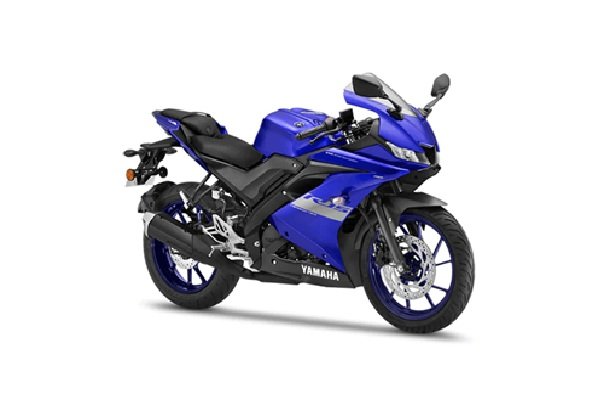
The engine oil you choose for your Yamaha R15 V2 does more than just keep the bike running. It directly affects performance, engine life, smoothness, and even fuel efficiency. Many riders ignore this until they feel rough gear shifts, overheating, or a drop in pickup.
The Yamaha R15 V2 is a high-revving machine built for performance. Its 150cc liquid-cooled engine works harder than a typical commuter bike. That means the oil inside it needs to handle heat, friction, and constant stress without breaking down.
Yamaha R15 V2 Engine Oil Capacity Explained
The Yamaha R15 V2 comes with a total engine oil capacity of around 1.15 liters. This figure applies when the engine is completely dry, such as after a full overhaul.
In regular service situations, the amount changes depending on whether you replace the oil filter or not. When you change the oil along with the oil filter, the required quantity is about 1.0 liter. If you skip the filter and only drain and refill the oil, you will need around 0.95 liter.
This small difference matters more than most riders think. Overfilling can cause pressure issues and leaks, while underfilling reduces lubrication and increases wear.
Oil Quantity With and Without Filter
Many beginners make the mistake of pouring the full 1.15 liters every time. This leads to excess oil circulating inside the engine, which can affect seals and reduce efficiency.
The safest approach is to measure carefully and always check the oil level using the dipstick after filling. Keeping the oil within the recommended range ensures proper lubrication and engine balance.
Recommended Oil Grade for Yamaha R15 V2
Yamaha recommends SAE 20W40 engine oil for the R15 V2 under standard riding conditions. This grade offers a good balance between thickness and smooth flow.
The 20W part refers to cold-start performance, while 40 represents high-temperature stability. This combination works well in Indian weather and typical riding conditions.
Alternative Oil Grades Based on Riding Conditions
Depending on how and where you ride, other oil grades can also work well. Riders who push their bikes harder or ride in hotter regions often choose 20W50 because it provides extra protection under heat.
For smoother cold starts and city riding, 10W40 is a good option. It flows faster when the engine is cold and helps reduce initial friction.
Choosing the right oil is about matching it to your riding style, not just following a fixed rule.
Understanding API Standards and Oil Quality
Apart from viscosity, oil quality is defined by API standards. The recommended level is API SE or higher. This ensures the oil meets minimum performance requirements.
Most modern oils already exceed this standard, so choosing a trusted brand usually ensures good quality.
Mineral vs Semi Synthetic vs Fully Synthetic Oil
The Yamaha R15 V2 supports different types of engine oil, but each type offers a different experience.
Mineral oil is basic and affordable. It works fine for light use but needs frequent changes.
Semi synthetic oil offers better protection and lasts longer. It suits most riders who want a balance between cost and performance.
Fully synthetic oil provides the best protection. It handles heat better, improves engine smoothness, and supports longer service intervals.
How Engine Oil Affects Gear Shifting
The R15 V2 uses a wet clutch system. This means the same oil lubricates both the engine and gearbox.
Using the wrong oil can lead to hard or rough gear shifts. Good quality oil improves shifting smoothness and overall riding feel.
Heat Management and Engine Protection
The R15 V2 engine generates high heat, especially during aggressive riding. Engine oil plays a key role in managing this heat.
High-quality oil carries heat away from internal parts and prevents damage. Poor oil quality can lead to overheating and reduced engine life.
Ideal Oil Change Interval for R15 V2
Even the best engine oil loses effectiveness over time. Dirt, heat, and metal particles reduce its performance.
Mineral oil should be changed every 2000 to 3000 kilometers. Semi synthetic oil lasts around 3000 to 4000 kilometers. Fully synthetic oil can go up to 5000 kilometers or more.
Regular oil changes keep the engine smooth and reliable.
How to Check Engine Oil Level Correctly
Checking oil level is simple but important. Park the bike on a flat surface and let the engine cool.
Use the dipstick to check the level. It should be between the minimum and maximum marks. If the oil looks too dark or dirty, it is time for a change.
Importance of Oil Filter Replacement
The oil filter removes dirt and metal particles from the oil. A clogged filter reduces oil flow and affects engine performance.
Changing the filter regularly improves the effectiveness of fresh oil. It is best to replace it during alternate oil changes.
Common Mistakes Riders Make
Many riders believe thicker oil always offers better protection. This is not always true. Oil that is too thick can reduce flow and increase engine strain.
Another common mistake is ignoring oil level checks. Small issues can turn into major problems if left unnoticed.
Also Read : Mercedes Vision AVTR Price in India, Features, Design and Full Details
Impact of Engine Oil on Mileage and Performance
The right engine oil reduces friction inside the engine. This improves smoothness and can slightly increase fuel efficiency.
A well-lubricated engine also delivers better power and acceleration. Over time, this makes a noticeable difference in riding experience.
Choosing the Best Oil for Your Riding Style
If you ride aggressively or go on long highway trips, fully synthetic oil is a strong choice. It handles stress and heat better.
For daily commuting, semi synthetic oil offers a good balance of performance and cost. The goal is to match the oil to your actual usage.
Final Thoughts on Yamaha R15 V2 Engine Oil
The Yamaha R15 V2 is built for performance, but it depends on proper maintenance to stay that way. Engine oil is one of the most important parts of that maintenance.
Choosing the right oil capacity and grade, checking levels regularly, and changing oil on time keeps the engine healthy.
Small efforts here make a big difference over time. A well-maintained engine runs smoother, lasts longer, and delivers the performance the R15 V2 is known for.