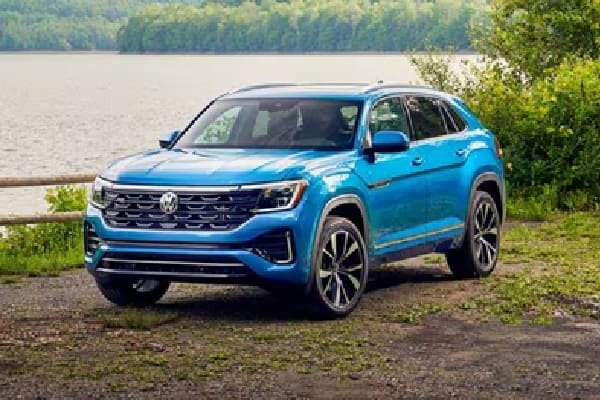
You need a big SUV. Three rows. Room for kids, friends, dogs, and all their stuff. You look at the Kia Telluride and the Hyundai Palisade. They look great. But they cost a fortune. Then you see the Volkswagen Atlas. It is just as big. It tows just as much. And it costs less.
The Atlas is Volkswagen’s answer to the family SUV question. It does not try to be sporty. It does not try to be luxurious. It tries to be spacious. And it succeeds. The Atlas has one of the roomiest cabins in its class. Adults fit in the third row. Cargo space is massive.
This article covers everything about the 2026 Volkswagen Atlas. Price, engine options, fuel economy, interior space, and how it drives. No confusing jargon. Just clear facts for anyone considering this family hauler.
What Is the Volkswagen Atlas
A Three Row Midsize SUV
The Atlas sits at the top of Volkswagen’s SUV lineup in North America. Above the Tiguan and the Taos. It competes with the Kia Telluride, Hyundai Palisade, Honda Pilot, and Toyota Grand Highlander.
Volkswagen designed the Atlas for American families. It is big. It is boxy. It prioritizes passenger space above all else. The third row actually fits adults. That is rare in this segment.
Who Is the Atlas For
The Atlas targets large families who need real space. Not fake third rows that only fit toddlers. Not tiny trunks that cannot hold a stroller. Real, usable space for real, busy families.
It also appeals to buyers who tow. The Atlas can pull up to 2,268 kilograms or 5,000 pounds. That is enough for a small boat or a modest camper.
2026 Volkswagen Atlas Engine and Performance
One Engine, Two Drivetrains
For 2026, the Atlas uses a single engine across all trims. A 2.0 litre turbocharged four cylinder. It produces 269 horsepower at 5,500 rpm and 370 Nm of torque at 1,600 rpm.
That is a change from previous years. Volkswagen used to offer a V6. The turbo four replaces it. Power is almost the same. Torque arrives much lower in the rev range, which makes the Atlas feel more responsive.
Transmission
An 8 speed automatic transmission is standard. Volkswagen calls it the Tiptronic. It shifts smoothly and predictably. The transmission is tuned for comfort, not speed.
Paddle shifters are included on most trims. You can pretend you are a race car driver. But the Atlas is happiest when you leave it in Drive.
Drivetrain Options
Front wheel drive is standard on base trims. All wheel drive is optional on those trims and standard on higher trims. Volkswagen calls it 4Motion.
The AWD system sends power to the front wheels normally. When it detects slip, it transfers torque to the rear wheels. It can also predictively send power rearward based on driving conditions.
Acceleration
The Atlas reaches 60 mph in about 7.3 seconds. That is adequate for a 2,100 kilogram SUV. It feels quicker than the old V6 model because the turbo engine provides more low end torque.
Passing on highways requires planning but not prayers. The engine does not feel strained. The transmission downshifts quickly when you press the throttle.
Towing Capacity
Almost every Atlas can tow 2,268 kilograms or 5,000 pounds when equipped with a trailer brake. That matches the Toyota 4Runner and Subaru Ascent.
Base trims without the factory hitch are rated for 907 kilograms or 2,000 pounds. If you plan to tow, get the SE with Technology trim or higher. The hitch comes standard there.
Top Speed
The Atlas is electronically limited to 188 km/h or 117 mph. You will never approach that speed. The Atlas is a family bus, not a sports car.
Volkswagen Atlas Fuel Economy
EPA Ratings
The front wheel drive Atlas returns 20 mpg in the city and 27 mpg on the highway. Combined rating is 23 mpg. The all wheel drive model drops to 19 city and 26 highway, with a 21 combined rating.
Those numbers are not class leading. The Toyota Grand Highlander Hybrid beats them easily. But the Atlas is also less expensive than that hybrid.
Real World Testing
On a 75 mph highway loop, an AWD Atlas returned 25 mpg. City driving returns around 19 to 21 mpg depending on traffic.
Fuel tank capacity is 70 litres. Range on a full tank reaches 563 to 704 kilometers. You will visit petrol stations regularly on long trips.
Volkswagen Atlas Price in India
No Official Launch
Volkswagen does not sell the Atlas in India as of 2026. The brand offers the Taigun, Tiguan, and Virtus in India. The Atlas remains a North American model.
That means any price quoted for India is speculative. Websites estimating 29.10 lakh to 43.33 lakh rupees are converting US prices without adding import duties or taxes. Those numbers are not real.
Real Cost If Imported
The US price for the Atlas starts at 40,785 dollars. That is roughly 34 lakh rupees at current exchange rates. The top SEL Premium R Line costs 56,105 dollars or about 47 lakh rupees.
Add import duties, shipping, insurance, and customs clearance. Total cost would likely exceed 1 crore rupees. At that price, you could buy a used luxury SUV or a new premium brand.
Should You Wait
Volkswagen has no plans to bring the Atlas to India. The Indian SUV market is dominated by smaller, more affordable models. The Atlas is too big and too expensive for mass appeal. Do not hold your breath.
Variants and Trims
Simplified Lineup
The Atlas comes in five trims. SE is the base. SE with Technology adds features. SEL is the luxury trim. SEL R Line Black adds sporty looks. SEL Premium R Line is the top.
Each trim can be ordered with front or all wheel drive. Volkswagen simplified the lineup for 2026. Fewer options make ordering easier.
SE Trim
The SE includes 18 inch wheels, LED headlights, an 8 inch touchscreen, wireless Apple CarPlay and Android Auto, three zone climate control, and Volkswagen’s suite of driver assistance features.
This is the value pick. It has everything essential. Nothing extra.
SE with Technology
This trim adds 20 inch wheels, a trailer hitch, remote start, a 12 inch touchscreen, a digital instrument cluster, wireless charging, and two extra USB ports in the third row.
This is the smart buy. The extra features are worth the price increase.
SEL
The SEL adds leather seats, heated and ventilated front seats, a heated steering wheel, memory settings for the driver seat, and ambient lighting.
This trim feels genuinely luxurious. The price jump is significant. Decide if the leather is worth it.
SEL R Line Black
This trim adds blacked out exterior trim, unique 21 inch wheels, and R Line badges. No extra power. Just attitude.
Buy this if you want your family SUV to look mean.
SEL Premium R Line
The top trim adds a premium audio system, panoramic sunroof, and every possible option. The price is high. The features are many.
Only buy this if money is no object.
Exterior Design and Styling
Boxier Than Rivals
The Atlas does not hide its size. It is boxy. It is upright. It looks like a Volkswagen, which means it looks clean and simple.
The front features Volkswagen’s signature grille with integrated LED light bar. The headlights are thin and sharp. The hood is flat and tall.
R Line Differences
R Line trims add a more aggressive front bumper, side skirts, and unique wheels. The blacked out trim looks genuinely cool. Even non car people will notice the difference.
Available Colours
Volkswagen offers the Atlas in several colours. Deep Black Pearl, Pure White, Platinum Grey Metallic, Aurora Red Metallic, and a few others. R Line trims offer unique colours not available on lower trims.
Interior and Space
The Atlas’s Superpower
The interior is where the Atlas wins. The third row fits adults. Legroom in the third row is 856 mm. That is best in class. Your tall teenager will not complain.
Second row legroom is 955 mm. That is also generous. Three adults fit across the second row without shoulder to shoulder contact.
Cargo Space
Behind the third row, cargo space measures 583 litres. That fits four carry on suitcases. Fold the third row, and space expands significantly. Fold both rear rows, and the Atlas becomes a cargo van.
With all seats folded, maximum cargo volume is about 2,740 litres. That is enough for furniture, camping gear, or a small moving truck.
Interior Quality
Here is the downside. The Atlas interior is functional but not fancy. Hard plastics abound. The design is plain. Rivals from Kia and Hyundai feel much more upscale.
If interior style matters to you, buy a Telluride. If you just need space, the Atlas is fine.
Seats
V Tex leatherette is standard on lower trims. Leather is optional on higher trims. The seats are comfortable for long trips. Not as plush as a Volvo, but not punishing either.
Heated front seats are standard on all but the base trim. Ventilated front seats are optional on higher trims. Heated second row seats are optional on top trims.
Infotainment and Technology
Large Screens
The base SE uses an 8 inch touchscreen. All other trims use a 12 inch touchscreen. Both support wireless Apple CarPlay and Android Auto.
The larger screen is worth the upgrade. It is crisp, responsive, and easy to read.
Digital Instrument Cluster
Higher trims include a 10.25 inch digital instrument cluster. You can customize what information appears. Navigation directions appear between the gauges.
Lower trims use analog gauges with a small digital screen. They work fine but feel dated.
No Knobs for Volume
Here is the annoying part. The Atlas has no physical volume or tuning knobs. You control audio through the touchscreen or steering wheel buttons.
That is frustrating. You have to look at the screen to change volume. Volkswagen claims voice control solves this. It does not.
Audio Systems
A six speaker audio system is standard. A premium system with more speakers is optional on higher trims. Neither will win awards. The standard system is adequate for podcasts and kids’ music.
Safety and Driver Assistance
Standard Features
Every Atlas includes forward collision warning with automatic emergency braking, blind spot monitoring, rear cross traffic alert, lane departure warning, and automatic high beams.
That is a generous standard package. Some rivals charge extra for blind spot monitoring.
Optional Features
Adaptive cruise control with lane centering is optional on higher trims. Volkswagen calls it Travel Assist. The system works well on highways. It maintains distance and gently nudges the steering wheel.
Park distance control with maneuver braking is also optional. The system helps you avoid scraping bumpers in tight parking lots.
Crash Test Ratings
The Atlas earned a five star overall safety rating from the NHTSA. The IIHS named it a Top Safety Pick. Crash protection for occupants is excellent.
How the Atlas Drives
Comfortable but Vague
The Atlas prioritizes comfort over handling. The suspension absorbs bumps well. Highway cruising is relaxed. The cabin remains quiet at speed.
Steering is light and numb. You can place the car accurately, but you do not feel connected to the road. That is fine for a family SUV. Enthusiasts will be bored.
Turbo Four Performance
The turbocharged engine provides adequate power. Torque arrives at 1,600 rpm, so the Atlas feels responsive from a stop. The transmission keeps the engine in its power band.
The engine sounds coarse when revved. Not terrible, but not refined like a Honda or Toyota. Most family drivers will not notice.
Rough Roads
The Atlas handles rough pavement well. The suspension absorbs potholes without crashing. Body motions are controlled. Passengers stay comfortable.
The optional 21 inch wheels on R Line trims hurt ride quality. Stick with 20 inch or smaller wheels if you care about comfort.
Atlas vs Main Rivals
Vs Kia Telluride
The Telluride is the class leader. It looks better, drives better, and has a much nicer interior. The Telluride also costs more and is harder to find. Choose the Telluride if you can afford it and find one. Choose the Atlas for value and availability.
Vs Hyundai Palisade
The Palisade is the Telluride’s twin. Same pros, same cons. The Palisade is slightly more luxurious. The Atlas is slightly more spacious. Both are good. Test drive both.
Vs Honda Pilot
The Pilot is newly redesigned. It offers a more refined interior and better driving dynamics. The Pilot also offers a more usable third row. The Atlas wins on cargo space. The Pilot wins on everything else.
Vs Toyota Grand Highlander
The Grand Highlander offers a hybrid option that destroys the Atlas on fuel economy. It also has a more modern interior. The Grand Highlander costs more. The Atlas is the value pick.
Common Complaints
No Volume Knob
Removing the physical volume knob was a mistake. Touchscreen controls are distracting while driving. Volkswagen should bring back the knob.
Dull Interior
The Atlas interior is plain. Hard plastics abound. Rivals feel more special. If interior design matters to you, look elsewhere.
Mediocre Fuel Economy
The Atlas drinks fuel. Rivals offer hybrids that easily beat its numbers. If you drive a lot, fuel bills add up.
Not Fun to Drive
The Atlas is not engaging. The steering is numb. The engine sounds coarse. The handling is vague. It transports your family. It does not excite you.
Also Read : 2026 Nissan Altima Price, Specs, Mileage, and Full Review
Should You Buy a Volkswagen Atlas
If You Need Maximum Space
The Atlas excels at carrying people and stuff. The third row is genuinely usable. Cargo space is enormous. For large families, that matters more than interior style.
If You Want Luxury
Look elsewhere. The Telluride, Palisade, and Grand Highlander all have nicer interiors. The Atlas is functional, not fancy.
If You Care About Fuel Economy
Do not buy the Atlas. The Grand Highlander Hybrid returns nearly double the fuel economy. Your wallet will thank you.
Final Thoughts
The Volkswagen Atlas is a utilitarian tool. It moves families. It hauls cargo. It tows boats. It does all of that without fuss or high cost. But it does not excite. The interior is plain. The handling is vague. The fuel economy is poor.
For the right buyer, none of that matters. That buyer needs space above all else. That buyer wants a simple, honest family SUV. That buyer does not care about luxury or driving engagement. For that buyer, the Atlas is perfect.
Volkswagen does not sell the Atlas in India. That is a shame because the Indian market could use a spacious, affordable three row SUV. But Volkswagen has other priorities. For now, Indian buyers should look at the Skoda Kodiaq or Toyota Fortuner. Both are excellent SUVs available with full warranty support.
The Atlas remains a North American hero. It serves its audience well. For that audience, the Atlas is worth considering. Just know what you are giving up compared to class leaders.
Frequently Asked Questions
What is the Volkswagen Atlas?
The Volkswagen Atlas is a three row midsize SUV that prioritizes passenger and cargo space. It competes with the Kia Telluride and Honda Pilot.
What is the price of Volkswagen Atlas in India?
Volkswagen does not sell the Atlas in India. The US price starts at 40,785 dollars. A grey market import would cost over 1 crore rupees.
What is the mileage of Volkswagen Atlas?
The front drive Atlas returns 20 mpg city and 27 mpg highway. The AWD model returns 19 mpg city and 26 mpg highway.
What is the engine of Volkswagen Atlas?
Every Atlas uses a 2.0 litre turbocharged four cylinder engine producing 269 horsepower and 370 Nm of torque.
Is Volkswagen Atlas available in India?
No. Volkswagen does not sell the Atlas in India. The brand focuses on smaller SUVs like the Taigun and Tiguan.
Does Volkswagen Atlas have all wheel drive?
Yes. All wheel drive is optional on lower trims and standard on higher trims. Volkswagen calls it 4Motion.
How many seats does Volkswagen Atlas have?
The Atlas seats seven people across three rows. Second row captain’s chairs reduce capacity to six.
What is the boot space of Volkswagen Atlas?
Behind the third row, cargo space measures 583 litres. Fold all rear seats for up to 2,740 litres.
What is the towing capacity of Volkswagen Atlas?
Most Atlas models can tow 5,000 pounds or about 2,268 kilograms with a trailer brake. Base trims without the factory hitch are rated for 2,000 pounds.
Is the Volkswagen Atlas reliable?
Atlas reliability is average. Volkswagen’s warranty covers four years or 50,000 miles. The powertrain warranty is the same. Routine maintenance is covered for two years or 20,000 miles.