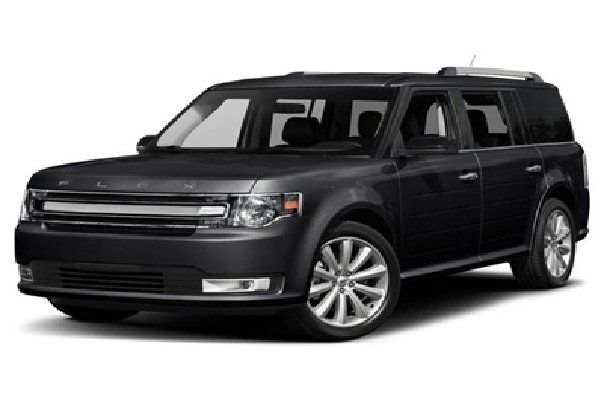
Most SUVs look the same these days. Rounded edges, sloping rooflines, and similar front ends. You can barely tell one brand from another. Then there is the Ford Flex. This SUV looks like nothing else on the road. It is boxy, square, and proud of it.
The Flex takes design inspiration from classic station wagons of the 1950s. But it adds modern touches and a bold attitude. Some people love the look. Others hate it. Nobody ignores it. That is exactly what Ford wanted.
Production ended in 2019. Ford discontinued the Flex after a decade on the market. But the car has developed a cult following. People who own Flexes tend to keep them. They appreciate the space, the comfort, and the unique styling.
This article covers everything about the Ford Flex. We will look at the engine, the interior, the features, and the driving experience. Most importantly, we will discuss the Ford Flex price in India and what it takes to own one.
A Brief History of the Ford Flex
Ford first showed the Flex as a concept car in 2005. The production version arrived for the 2009 model year. The design came from the Ford Fairlane concept, which had a similar boxy shape. The name Flex was meant to suggest flexibility and space.
The Flex shared its platform with the Ford Taurus and Lincoln MKT. But it looked completely different. Where the Taurus was rounded and aerodynamic, the Flex was flat and square. The roof came in a contrasting color on many models, which added to the retro look.
Production continued through 2019. Ford never gave the Flex a major redesign. They updated the front grille, changed some features, and added new engine options. But the basic shape remained the same. When Ford discontinued the Flex, they did not announce a replacement. The boxy SUV was gone.
Design and Styling
The Ford Flex is impossible to mistake for any other vehicle. It has a long, flat hood. A nearly vertical windshield. A roof that is completely flat. The rear end is square with vertical tail lights. The whole thing looks like a giant toaster on wheels.
That description might sound unkind. But Flex owners embrace the look. The boxy shape creates massive interior space. There is no sloping roofline to cut into headroom. No curved rear end to reduce cargo capacity. Every inch of the exterior translates to usable interior space.
The front grille features three horizontal bars with a Ford blue oval in the center. The headlights are rectangular and blend into the grille. Lower down, there are circular fog lights. The hood is long and flat, like a classic American wagon.
Along the sides, the Flex has a prominent beltline that runs from the front to the back. The roof comes in a contrasting silver or white on many models. That two tone look is a signature Flex styling cue. The wheels are pushed out to the corners, which gives the car a planted stance.
At the back, the tail lights are vertical strips. A chrome bar connects them across the tailgate. The rear window is large and square. The overall effect is clean, simple, and very American.
Engine and Performance
The Ford Flex came with two engine options. The base engine was a 3.5 liter naturally aspirated V6. It produced 287 horsepower at 6,500 rpm and 344 Newton meters of torque at 4,000 rpm. That engine was adequate for most driving situations. It moved the heavy Flex without feeling strained.
The optional engine was the real star. Ford offered a 3.5 liter twin turbo EcoBoost V6. That engine made 365 horsepower and 475 Newton meters of torque. That is a lot of power for a family SUV. The EcoBoost Flex could accelerate from 0 to 60 miles per hour in about 6 seconds.
Both engines came with a 6 speed automatic transmission. Front wheel drive was standard. All wheel drive was optional on most trims. The all wheel drive system could send power to the rear wheels when needed. It helped in rain, snow, or light off road situations.
Fuel economy was not great. The base V6 returned about 7 to 9 kilometers per liter. The EcoBoost V6 drank even more fuel. The Flex was heavy, boxy, and not aerodynamic. That combination hurt efficiency. Owners accepted the poor mileage in exchange for space and power.
Top speed was electronically limited to 190 kilometers per hour. The Flex was not built for high speed driving. It was built for carrying people and cargo in comfort.
Driving Experience
The Ford Flex drives like a large, comfortable cruiser. The suspension uses MacPherson struts up front and a multi link setup in the rear. Both ends have stabilizer bars to reduce body roll. Gas pressurized shock absorbers smooth out bumps.
The ride quality is soft and forgiving. You feel bumps but they do not upset the car. Highway driving is where the Flex shines. It tracks straight and true. Wind and road noise are well controlled. You can drive for hours without getting tired.
Handling is not a strong point. The Flex is heavy and tall. It leans in corners. The steering is light and numb. You do not buy a Flex for back road carving. You buy it for family road trips and school runs.
The EcoBoost engine transforms the driving experience. With 365 horsepower, the Flex feels genuinely quick. Merging onto highways is effortless. Passing slower cars happens in an instant. The extra power makes the heavy SUV feel light on its feet.
Interior and Space
The interior is where the Ford Flex really shines. The boxy shape creates massive amounts of room. Front seat passengers have 1,036 millimeters of headroom and legroom. Second row passengers have 1,029 millimeters of headroom and 1,125 millimeters of legroom.
Third row passengers do not get treated like cargo. Headroom measures 983 millimeters. Legroom is 846 millimeters. That is enough for adults on shorter trips. Children will be perfectly comfortable for hours.
Shoulder room is generous across all three rows. The Flex is wide, and that width translates to elbow room. Three adults can sit in the second row without rubbing shoulders. Even the third row has decent shoulder space.
Cargo capacity is excellent. Behind the third row, you get 566 liters of space. That is enough for groceries or a few suitcases. Fold the third row down, and space expands dramatically. With both rear rows folded, the Flex holds over 2,300 liters. You could fit a small couch back there.
The second row seats slide and recline. They also fold flat with a simple lever. The third row folds flat into the floor. The Flex offers a power folding option for the third row on higher trims. That makes it easy to switch between people and cargo mode.
Comfort and Convenience Features
The base Ford Flex came with cloth trimmed seats. Higher trims added leather upholstery. The front seats were comfortable but not heavily bolstered. They were designed for cruising, not cornering.
Heated seats were optional. Heated and cooled seats were available on the Limited trim. The driver seat offered power adjustment. The front passenger seat was manual on base models but power on higher trims.
Dual zone automatic climate control came standard. That let the driver and front passenger set different temperatures. Second row passengers got their own vents. Third row passengers also had vents. Everyone stayed comfortable.
The Ford Flex offered an optional refrigerated second row console. That was a unique feature. You could keep drinks cold without opening the main fridge. Kids loved it. Parents appreciated it on long trips.
An optional rear seat entertainment system was available. Screens mounted on the back of the front headrests. Kids could watch movies while parents listened to music up front. That feature made the Flex popular with families.
Infotainment and Technology
The Ford Flex used the SYNC infotainment system. An 8 inch touchscreen sat in the center of the dashboard. The system supported Apple CarPlay and Android Auto. Navigation was optional.
The base audio system had 6 speakers. An upgraded Sony system with more speakers was optional. Sound quality was good but not exceptional. The Flex was about space and comfort, not premium audio.
A digital instrument cluster displayed important information. You could see speed, fuel level, engine temperature, and trip data. The display was clear and easy to read.
Cruise control came standard. Adaptive cruise control was optional. That feature automatically adjusted your speed to maintain a safe distance from the car ahead. It made highway driving less tiring.
Safety Features
The Ford Flex came with six airbags as standard. That included front, side, and curtain airbags. The curtain airbags covered all three rows of seats. Everyone was protected.
Anti lock brakes, traction control, and electronic stability control were standard. The stability control system included roll stability control. That was important for a tall, boxy SUV. It helped prevent the Flex from tipping over in emergency maneuvers.
A backup camera came standard. Rear parking sensors were optional. Higher trims added front parking sensors. A blind spot monitoring system was available. It alerted you to cars hiding in your blind spots.
The Flex never received a top safety rating from IIHS or NHTSA. It was an older design that did not get updated with the latest crash structures. But in real world driving, the Flex felt solid and protective.
Ford Flex Price in India
Now for the important question. How much does a Ford Flex cost in India? The answer is complicated because Ford never officially sold the Flex in India. Every Flex in the country has been imported privately.
The expected ex showroom price for a used Flex in India ranges from 25 lakh to 36 lakh rupees. That is the price before taxes, shipping, and import duties. Those numbers come from international used car prices converted to rupees.
The reality is higher. Import duties on used cars can exceed 100 percent. Add shipping costs, customs clearance fees, and importer margins. A Flex that costs 25 lakh rupees abroad could end up costing 45 to 60 lakh rupees on the road in India.
On road prices vary by state. Maharashtra has the highest taxes. A Flex in Mumbai could cost over 60 lakh rupees. Delhi and Haryana have lower taxes, so prices there might be around 48 to 55 lakh rupees. Kerala and Karnataka are somewhere in the middle.
Different trims command different prices. The base SE model is the cheapest. The SEL adds some features. The Limited is more luxurious. The Limited with EcoBoost is the most expensive and most desirable.
Variants and Trims
The Ford Flex came in four main trim levels. The SE was the base model. It had cloth seats, manual climate control, and a basic audio system. It was hard to find because most buyers wanted more features.
The SEL added a power driver seat, upgraded audio, and dual zone climate control. It was the sweet spot for many buyers. You got most of the important features without paying for luxury extras.
The Limited added leather seats, heated front seats, a power passenger seat, and a premium audio system. It also got larger wheels and more chrome trim. The Limited looked more upscale inside and out.
The Limited with EcoBoost added the twin turbo V6 engine and all wheel drive. It also got unique wheels and badging. This was the performance version of the Flex. It was rare and expensive.
Also Read : Nissan Silvia S15 Price in India 2026: Specs, Top Speed, and Import Cost
Competitors in India
The Ford Flex has few direct competitors in India. The Kia Carnival is the closest. It is a large boxy people mover with three rows of seats. The Carnival is officially sold in India, so it has warranty and service support. Prices range from 40 to 55 lakh rupees.
The Toyota Fortuner is a different kind of vehicle. It is a body on frame SUV that is rugged and off road capable. The Fortuner is smaller inside than the Flex. But it is officially sold and has excellent resale value. Prices range from 45 to 60 lakh rupees.
The Mahindra XUV700 is a more affordable option. It offers three rows of seats and modern features. The XUV700 is much cheaper than an imported Flex. Prices range from 35 to 50 lakh rupees. But the XUV700 is smaller and less luxurious.
For most Indian buyers, the Kia Carnival makes more sense. It offers similar space and comfort with official support. The Flex is for enthusiasts who want something unique. People who buy a Flex know exactly what they are getting into.
Owning a Flex in India
Owning a Ford Flex in India is not for everyone. Parts are hard to find. Most components need to be imported from the United States. That takes time and costs money.
Few mechanics know how to work on a Flex. The 3.5 liter V6 engine is not common in India. You will need to find a specialist or learn to do the work yourself. Joining online owner groups is essential.
The Flex is a wide car. At nearly 1,930 millimeters wide, it barely fits in many Indian parking spaces. Tight city streets are challenging. You will learn to be very careful when parking.
Ground clearance is only 150 millimeters. That is low for Indian roads. Speed bumps need to be crossed at an angle. Steep driveways can scrape the front bumper. Some owners install lift kits or simply accept the damage.
Fuel costs will be high. The Flex requires premium petrol. Mileage ranges from 7 to 9 kilometers per liter. That is expensive to run, especially with fuel prices where they are.
Insurance will be expensive. Many companies will not insure an imported grey market car. You may need to use a specialist insurer. Expect to pay a high premium.
Despite all the challenges, owners say the Flex is worth it. The space is unmatched. The comfort is excellent. And because so few exist in India, you will have something truly unique. You will get asked about your car everywhere you go.
Final Thoughts
The Ford Flex is a strange vehicle. It is boxy and unusual. It drinks fuel. It handles like a boat. But it also has massive interior space, a comfortable ride, and unique style that turns heads.
Ford discontinued the Flex in 2019. Used prices have held steady. Clean examples are becoming harder to find. The EcoBoost models are especially rare and valuable.
In India, the Flex is an exotic rarity. Only a handful exist. Owning one requires patience, money, and dedication. But for the right person, the reward is worth the effort. The Flex is not just a car. It is a statement.