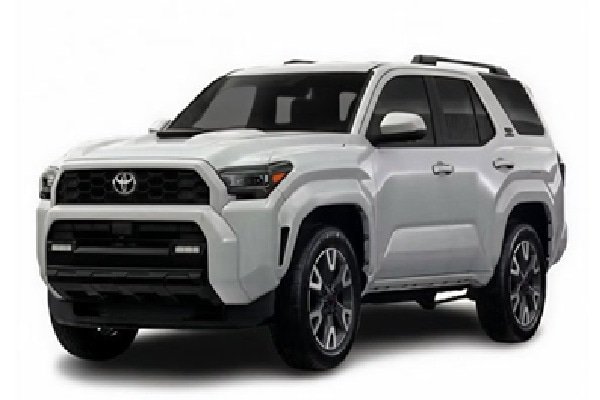
The Toyota 4Runner is not like most SUVs on the road today. While other vehicles have gone soft with car based platforms and car like rides, the 4Runner stays true to its roots. It uses a body on frame construction, just like a truck. That makes it tough, durable, and extremely capable off the road.
People who buy the 4Runner do not want a soft crossover. They want something that can climb rocks, ford streams, and tow heavy loads. They want a vehicle that will last for hundreds of thousands of kilometers. The 4Runner delivers on all those fronts.
For years, this SUV has been a favorite in markets like the United States. In India, it remains a rare and exotic machine. Toyota does not officially sell it here. But that has not stopped enthusiasts from wanting one. The 4Runner has a cult following, and that following exists in India too.
What Makes the 4Runner Different
Most modern SUVs use unibody construction. That means the frame and body are one piece. It saves weight and improves fuel economy. But it also reduces strength and off road capability.
The 4Runner sticks with a body on frame design. The body sits on top of a separate ladder frame. That makes the vehicle heavier, but also much stronger. It can handle rough terrain without twisting or flexing. It can tow heavy trailers without feeling unstable.
This old school approach has drawbacks. The 4Runner rides rougher than car based SUVs. It consumes more fuel. It feels less refined on paved roads. But for people who actually go off road, those trade offs are worth it.
Engine and Performance
The previous generation 4Runner used a 4.0 liter V6 engine. That engine produced 270 horsepower and 376 Newton meters of torque. It came with a 5 speed automatic transmission. Power went to all four wheels through a part time 4WD system.
That engine was reliable but thirsty. Fuel economy ranged between 6 to 8 kilometers per liter. That is terrible by modern standards. But 4Runner owners did not care. They valued durability over efficiency.
The all new 2026 model changes things dramatically. Toyota replaced the old V6 with a 2.4 liter turbocharged four cylinder engine. This new i FORCE engine makes 278 horsepower and 430 Newton meters of torque. That is actually more torque than the old V6.
Even more impressive is the i FORCE MAX hybrid version. That powertrain combines the turbo four cylinder with an electric motor. Total output jumps to 326 horsepower and 630 Newton meters of torque. The hybrid also gets an 8 speed automatic transmission instead of the old 5 speed.
Fuel economy improves significantly with the new engines. The non hybrid version returns about 21 miles per gallon combined, which is roughly 9 kilometers per liter. The hybrid pushes that to 23 miles per gallon, or about 9.8 kilometers per liter. That is still not great, but it is much better than before.
Off Road Capability
The 4Runner’s real strength lies in its off road performance. Toyota offers several trims designed specifically for rough terrain. The TRD Off Road, TRD Pro, and new Trailhunter models come loaded with serious hardware.
Ground clearance ranges from 8.1 inches up to 10.3 inches on the highest trims. Approach angles reach 33 degrees. Departure angles hit 24 degrees. Those numbers allow the 4Runner to climb over obstacles that would stop most SUVs.
The part time 4WD system includes a two speed transfer case. That gives you a low range gear set for crawling over rocks. An electronic locking rear differential sends power evenly to both rear wheels. That prevents wheel spin when one tire loses traction.
Crawl Control acts like a low speed cruise control for off roading. You set a speed, and the computer manages throttle and brakes. You just steer. Multi Terrain Select lets you choose different driving modes for mud, sand, rocks, or snow.
The TRD Pro and Trailhunter trims add even more equipment. They come with FOX high performance shocks with remote reservoirs. Those shocks handle repeated impacts without fading. The Trailhunter also gets a factory installed ARB roof rack and other overlanding gear.
Towing and Payload
A true truck based SUV needs to tow. The 2026 4Runner delivers with a maximum towing capacity of about 6,000 pounds, which is roughly 2,700 kilograms. That is enough for a small boat, a pair of jet skis, or a modest camping trailer.
The previous generation could tow about 5,000 pounds. The increase comes from the new engine’s higher torque output. The hybrid version tows the same amount as the non hybrid.
Payload capacity, which is how much weight you can put inside the vehicle, is around 1,600 pounds. That includes passengers, cargo, and any aftermarket accessories. Real world payload will vary based on trim level and options.
Interior and Comfort
Here is where the 4Runner shows its age, even with the 2026 redesign. The interior is functional but not luxurious. Base trims come with cloth seats and smaller screens. Higher trims add SofTex synthetic leather or real leather.
The dashboard features either an 8 inch or 14 inch touchscreen. That is a big improvement over the old model. Wireless Apple CarPlay and Android Auto come standard. A 15 speaker JBL audio system is available on higher trims.
Front seats offer 8 way power adjustment for the driver and 4 way for the passenger. Heated seats are available. A power moonroof lets in fresh air. Dual zone automatic climate control keeps everyone comfortable.
But do not expect the plushness of a Lexus. The 4Runner prioritizes durability over softness. Plastics are hard wearing but not premium feeling. Road noise is higher than in car based SUVs. The ride can be bouncy on uneven pavement.
Space and Cargo
The 4Runner seats five people as standard. Some trims offer an optional third row for seven seats. That third row is tight and best left for children or occasional use.
Cargo space is generous. Behind the second row, you get about 1,300 to 1,390 liters of space. Fold the second row down, and that expands to roughly 2,555 liters. That is enough for camping gear, sports equipment, or a trip to the hardware store.
The rear window rolls down separately from the tailgate. That is a classic 4Runner feature that owners love. It allows you to access small items without opening the whole tailgate. It also lets fresh air flow through the cabin with the windows up.
Safety Features
Toyota includes its Safety Sense 3.0 suite on every 2026 4Runner. That package includes adaptive cruise control, lane departure alert with steering assist, automatic emergency braking with pedestrian detection, and road sign assist.
Blind spot monitoring with rear cross traffic alert comes standard on mid and higher trims. A panoramic view monitor gives a 360 degree overhead view. That is very helpful for parking and off road maneuvering.
Eight airbags come standard. That includes front, side, curtain, and knee airbags. The body on frame construction provides excellent crash protection due to its rigid structure.
Toyota 4Runner Price in India
Here is where things get complicated. Toyota does not officially sell the 4Runner in India. You cannot walk into a Toyota dealership and buy one. The only way to get a 4Runner in India is through the grey market or private importers.
That drives the price up dramatically. In the United States, the 2026 4Runner starts at around 42,000 dollars, which is roughly 35 lakh rupees. The top TRD Pro and Trailhunter trims go up to about 68,000 dollars, or 57 lakh rupees.
But Indian import duties on large SUVs can exceed 100 percent. Add shipping costs, dealer margins, and other fees. A base SR5 model that costs 35 lakh rupees in America could end up costing 80 lakh to 1 crore rupees in India. A fully loaded TRD Pro could exceed 1.5 crore rupees.
Different sources give different estimates. Some suggest prices starting around 46 lakh rupees, but that seems unrealistic for an imported vehicle. More credible estimates place the 4Runner between 80 lakh and 1.2 crore rupees depending on the variant and the importer.
On road prices vary by state due to different tax rates. Maharashtra has the highest taxes, so Mumbai prices will be higher. Delhi and Haryana have lower taxes, so prices there will be slightly more affordable.
Colors and Variants
The 2026 4Runner comes in several trims. The SR5 is the base model. It offers the essential features without many extras. The TRD Sport adds sportier styling and on road handling tweaks. The SR5 Premium adds comfort features like SofTex seats and a power driver seat.
The TRD Off Road is where capability starts to shine. It adds the locking rear differential, Multi Terrain Select, and Crawl Control. The TRD Off Road Premium adds leather and a moonroof. The Limited trim focuses on luxury with 20 inch wheels and more chrome.
The TRD Pro is the ultimate off road model. It gets unique FOX shocks, a front skid plate with TRD Pro stamping, and exclusive colors like Wave Maker teal blue. The Trailhunter is new for 2026 and focuses on overlanding with factory installed accessories.
Available colors include Ice Cap white, Black, Wind Chill Pearl white, Supersonic Red, Underground dark gray, Cutting Edge metallic silver, Heritage Blue, Everest green gray, and Wave Maker teal blue for the TRD Pro.
Also Read : Mazda RX 7 Price in india, Specs, Features and Full Details 2026
Competitors in India
In the Indian market, the 4Runner has few direct rivals. The Toyota Fortuner is the most obvious competitor. But the Fortuner is a different beast. It is smaller, less capable off road, and much more affordable. The Fortuner also has official dealership support, which the 4Runner lacks.
The Jeep Wrangler is a closer competitor. It offers similar body on frame construction and serious off road ability. The Wrangler is officially sold in India, so you can get warranty and service support. Prices range from about 60 lakh to 1 crore rupees.
The Land Rover Defender is another option. It is more luxurious and more expensive. Prices start around 1.5 crore rupees. The Mercedes G Class is even more expensive, starting above 2 crore rupees.
For most Indian buyers, the Fortuner makes more sense. It is cheaper, easier to own, and still quite capable. The 4Runner is for enthusiasts who want something special. People who buy it know exactly what they are getting into.
Should You Import a 4Runner to India?
This is a personal decision. If you have the money and the passion, the 4Runner can be a rewarding vehicle. It offers unmatched reliability and off road ability. It will last for decades with proper maintenance.
But you must accept the downsides. No official warranty means you pay for all repairs. Parts must be imported, which takes time and costs money. Few mechanics will know how to work on it. Fuel costs will be high. Resale value is uncertain.
For most people, the Fortuner or the Wrangler are better choices. They offer similar capabilities with less headache. But for the true enthusiast, the 4Runner’s charm is impossible to resist. It is a legend, and legends are worth the trouble.
Final Thoughts
The Toyota 4Runner is a dying breed. It is a body on frame SUV in a world of crossovers. It prioritizes toughness over efficiency. It rewards owners who actually go off road and punishes those who stay on pavement.
The 2026 model brings much needed updates. The new turbo and hybrid engines improve power and fuel economy. The interior tech finally enters the modern era. But the core mission remains the same. The 4Runner is a tool, not a fashion accessory.
In India, it remains a rare sight. Only a few dedicated enthusiasts will go through the trouble of importing one. But for those who do, the reward is a vehicle that can go anywhere and last forever. That is a rare thing in any market.