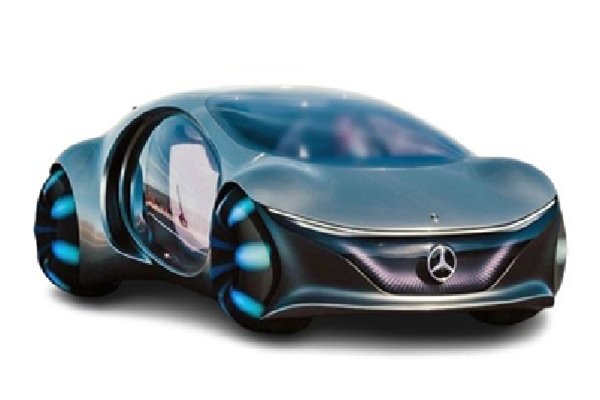
The first time you see the Mercedes Vision AVTR, it does not feel like a car at all. It looks alive. The body moves like a creature, the wheels glow, and the interior reacts to your touch. This is not just a design experiment. It is a bold idea of how vehicles could connect with humans and nature in the future.
This concept car was inspired by the world of Avatar, and that influence shows in every detail. The goal was not just to build a futuristic vehicle, but to rethink how cars interact with people, the environment, and technology.
The Idea Behind the Mercedes Vision AVTR
The Vision AVTR is a concept created by Mercedes-Benz to explore future mobility. The name AVTR stands for Advanced Vehicle Transformation.
The concept focuses on harmony between human, machine, and nature. Instead of treating a car as a tool, it presents the vehicle as a living system that responds to its driver.
This approach changes the entire driving experience. It becomes more intuitive, more emotional, and more connected.
Inspired by a Different World
The connection to Avatar is not just visual. The film’s theme of living in balance with nature plays a central role in the design.
The car’s flowing lines and organic shapes reflect natural forms rather than mechanical structures. Even the way it moves feels less like machinery and more like a living organism.
This inspiration helped designers move away from traditional automotive thinking and explore something completely new.
Exterior Design That Feels Alive
The exterior of the Vision AVTR is one of its most striking features.
The car has a smooth, flowing shape with no sharp edges. It looks like it was shaped by nature rather than engineered in a factory.
One of the most unique elements is the set of “bionic flaps” on the back. These small, scale-like structures can move individually. They help the car communicate with the outside world and respond to its environment.
The wheels are another standout feature. They are inspired by seeds and can move sideways, allowing the car to drive diagonally. This adds a new level of flexibility in movement.
A Cabin Without a Steering Wheel
Step inside the Vision AVTR, and you will not find a steering wheel.
Instead, the car is controlled through a central console. You place your hand on it, and the vehicle recognizes your presence. It can even detect your heartbeat.
This creates a direct connection between the driver and the car. The vehicle responds to your touch and adjusts based on your input.
The interior is designed to feel open and natural. Materials are inspired by nature, and the layout avoids traditional dashboards and buttons.
A New Way to Interact With a Car
Interaction in the Vision AVTR goes beyond simple controls.
The car uses gestures to understand what the driver wants. For example, moving your hand can control navigation or entertainment features.
Passengers are not left out. They can also interact with the system, making the experience more shared and engaging.
This approach removes the need for complex interfaces. It makes the experience feel more natural and less mechanical.
Sustainable Materials and Design
Sustainability is a key part of the Vision AVTR.
The materials used in the interior are eco-friendly. For example, the seats are made from vegan leather alternatives. The floor uses recycled materials that feel like wood but are more sustainable.
The design avoids traditional plastics and focuses on renewable resources. This reflects a shift toward more responsible manufacturing.
The goal is not just to reduce harm, but to create a system that works in balance with the environment.
Battery Technology and Energy Concept
The Vision AVTR introduces a new type of battery technology.
Instead of using rare earth materials, the battery is based on organic cell chemistry. This makes it more sustainable and easier to recycle.
The battery is also designed to be compostable. At the end of its life, it can break down naturally without harming the environment.
This is a major step forward in reducing the environmental impact of electric vehicles.
Performance and Movement
The Vision AVTR is not just about looks. It also introduces new ways of movement.
Each wheel can move independently, allowing the car to drive sideways. This is useful in tight spaces and adds a unique driving experience.
The car also features all-wheel drive, powered by electric motors. This ensures smooth and efficient performance.
While exact performance figures are not the focus, the concept shows how future vehicles could combine efficiency with flexibility.
Communication With the Environment
One of the most interesting aspects of the Vision AVTR is how it communicates.
The bionic flaps on the back can move to show different signals. They act like a form of body language for the car.
The lighting system also plays a role. The car can change colors and patterns to interact with its surroundings.
This creates a new kind of relationship between the vehicle and the environment. It is not just moving through space. It is responding to it.
The Role of Artificial Intelligence
Artificial intelligence is at the core of the Vision AVTR.
The car learns from the driver’s behavior and adapts over time. It can adjust settings, suggest routes, and improve the overall experience.
This makes the vehicle feel more personal. It becomes a partner rather than just a machine.
AI also helps manage energy use, ensuring that the car operates efficiently.
Price and Availability
The Vision AVTR is a concept car, so it is not available for sale.
However, estimates suggest that if it were produced, it would be extremely expensive. Some sources place its value in the range of several crores in India.
This reflects the advanced technology and unique design involved.
Concept cars like this are not meant for immediate production. They are built to explore ideas and inspire future models.
Also Read : Citroen Ami Price in india, Specs and Features 2026
Public Reaction and Popularity
The Vision AVTR has received a lot of attention since its introduction.
People are fascinated by its design and technology. It stands out even among other concept cars.
The connection to Avatar also adds to its appeal. Fans of the film appreciate the way it brings that world into reality.
The car has been featured in exhibitions and events, where it continues to draw crowds.
How It Influences Future Cars
The Vision AVTR is not just a standalone project.
Many of its ideas could influence future vehicles from Mercedes-Benz and other brands.
Features like gesture control, sustainable materials, and advanced battery technology are already being explored in modern cars.
The concept pushes the industry to think differently. It encourages innovation and new approaches to design.
Challenges in Bringing It to Reality
Turning the Vision AVTR into a production car would be challenging.
Some technologies are still in early stages. Others may be too expensive for mass production.
Safety regulations and practical considerations also play a role. Not all features can be easily adapted for everyday use.
Despite these challenges, the concept provides valuable insights for future development.
Why the Vision AVTR Matters
The Vision AVTR matters because it changes how we think about cars.
It shows that vehicles can be more than machines. They can be interactive, sustainable, and connected to their environment.
This shift is important as the world moves toward cleaner and smarter mobility solutions.
The concept also highlights the importance of design. It proves that functionality and beauty can work together.
Final Thoughts
The Mercedes-Benz Vision AVTR is not just a glimpse of the future. It is a bold statement about what is possible.
It combines technology, design, and sustainability in a way that feels both futuristic and natural.
While you may not see it on the road anytime soon, its influence will likely shape the cars of tomorrow.
For anyone interested in the future of mobility, the Vision AVTR is a concept worth understanding.