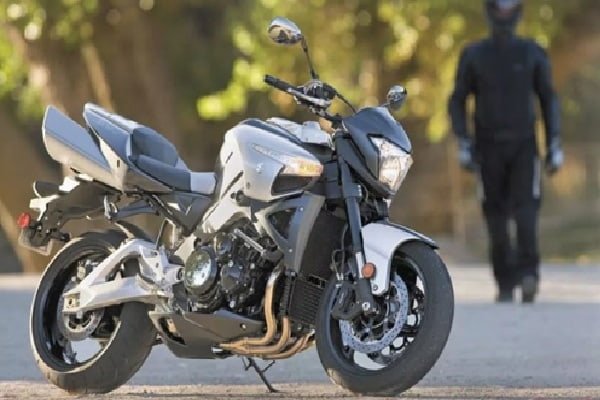
The Suzuki B‑King is one of the most surprising motorcycles ever created. Its design is bold, its engine is massive, and its story is rooted in ambition. Suzuki didn’t just drop a big engine into a standard bike. They transformed a hypersport powerhouse into a street muscle bike, creating a machine that still fascinates riders years after production ended.
Striking Design and Presence
At first glance, the B‑King looks unusual. It is squat, muscular, and aggressive, with thick body panels, a massive under-seat exhaust, and radiator shrouds that command attention. Its design is polarizing, but that presence is part of the bike’s lasting appeal. Riders describe seeing a B‑King in person as a striking, almost cinematic experience.
The Heart of the B‑King: Engine Performance
The engine defines the B‑King’s character. Suzuki took the 1340cc inline-four from the legendary Hayabusa and recalibrated it for this bike. It delivers around 180 horsepower and strong midrange torque, translating to effortless acceleration from low speeds and unstoppable thrust at higher RPMs. The retuned intake, exhaust, and fuel mapping give the engine a broad, linear power delivery, making it smooth yet powerful.
Chassis and Suspension
Handling a machine like the B‑King requires a solid frame. Suzuki used a rigid twin-spar aluminum frame to manage the engine’s torque. Inverted front forks and a fully adjustable rear shock give riders control and comfort. Radial-mounted four-piston calipers and oversized front discs ensure reliable braking, which is essential for a bike of this power and weight.
From Concept to Production
The B‑King was first shown as a concept in 2001, featuring a supercharged engine and futuristic electronics. While the production version, released in 2007, lost the supercharger, it retained the wild styling and performance ethos of the concept. The journey from concept to reality contributed to the bike’s mystique and cult status.
Riding Experience
On the road, the B‑King is not a traditional sportbike. It is heavier and longer than most naked bikes, which makes low-speed handling feel noticeable. However, once moving, the bike feels stable and precise. Wide handlebars and balanced geometry allow confident maneuvering on sweeping roads. Its acceleration can surprise even experienced riders, and dual power modes provide flexibility for different road conditions.
Ergonomics and Comfort
Despite its size, the B‑King’s seating position is relatively upright, blending comfort with control. Handlebars and footpegs are positioned to support longer rides without sacrificing handling. Taller riders often find it comfortable, while shorter riders may need to adjust to the seat height and reach. The ergonomics make it a bike that is approachable yet demanding in terms of rider skill.
Instrumentation and Control
The bike comes equipped with a clear analog tachometer, digital speedometer, and gauges for fuel, temperature, ride time, and gear position. The inclusion of a fuel mapping switch allows riders to modify engine response, providing a level of customization that was advanced for its time. These instruments give feedback and control that complement the bike’s raw performance.
Why Production Ended
Suzuki discontinued the B‑King in 2012 due to low sales. Its aggressive design and high price limited mass appeal. Many riders preferred the Hayabusa for speed or other bikes for comfort. Despite this, the B‑King developed a dedicated following among enthusiasts who appreciate its bold engineering and unique character.
Also Read : Bajaj Pulsar NS 600 Price in India, Specs, Features and Full Review 2026
Cult Status and Legacy
Today, the B‑King is considered a collector’s item. Its rarity, combined with its unique combination of engine power and styling, makes it highly desirable. Riders praise its reliability, midrange torque, and the satisfaction it delivers when handled skillfully. The B‑King’s design and performance influenced the development of later naked and muscle bikes, leaving a lasting mark on motorcycle engineering.
Ownership Insights
Owning a B‑King today is more than a riding experience; it’s about connection to a piece of motorcycle history. Parts can be harder to source than more common bikes, but this rarity adds to the allure. Enthusiasts value its raw performance, distinctive styling, and the emotional response it evokes on the road.
Why the B‑King Still Matters
Even though production was short-lived, the B‑King showed that naked bikes could combine high performance with bold design. It challenged perceptions and inspired later streetfighters and muscle bikes. Its legacy lives on in online communities, bike shows, and the admiration of riders who appreciate a machine built with ambition rather than compromise.
Final Thoughts
The Suzuki B‑King represents an era of fearless experimentation in motorcycle design. It offers immense power, distinctive style, and a riding experience that is both challenging and rewarding. For collectors and riders who seek more than just speed, the B‑King remains a symbol of engineering courage and uncompromising street performance.