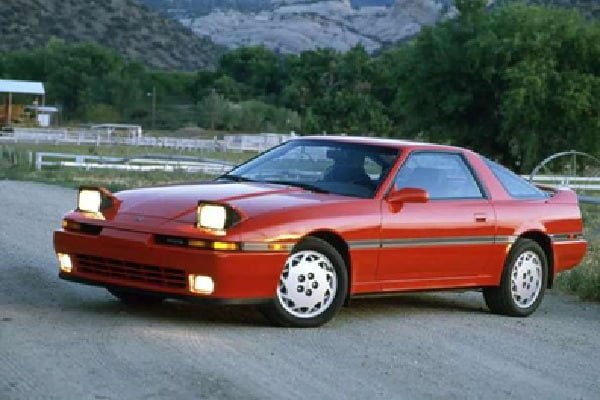
The first time you see a Toyota Supra MK3 in person, it feels different. It has a sharp, purposeful stance, with pop-up headlights and a long hood that hints at serious performance. This is not just another old sports car. It represents a turning point for Toyota, where engineering, performance, and identity finally came together in a bold way.
The Supra MK3, also known as the A70, arrived in the mid-1980s and carved its own path. It was no longer just a Celica variant. It became a standalone performance machine with its own personality. For many enthusiasts, this is where the Supra story truly begins.
The Birth of the MK3 Supra
The Toyota Supra name had already existed before the MK3, but earlier versions were closely tied to the Celica lineup. With the third generation, Toyota made a clean break.
Introduced in 1986, the MK3 Supra came at a time when Japanese automakers were pushing boundaries. Cars were becoming more advanced, more refined, and more competitive globally. Toyota responded by giving the Supra a more serious identity, separating it from the Celica and focusing on performance and technology.
This decision changed everything. The MK3 became the first Supra to stand on its own, both in design and engineering.
Design That Still Turns Heads
The MK3 Supra has a design that still feels fresh today. It carries the sharp, angular lines typical of the late 1980s but blends them with a muscular stance that gives it lasting appeal.
The pop-up headlights are one of its most recognizable features. When closed, the front looks sleek and smooth. When open, it gains an aggressive, almost futuristic look. The wide body and long hood create a balanced profile that emphasizes performance.
Inside, the design focuses on the driver. The cockpit-style dashboard wraps around the driver, making everything easy to reach. Controls are simple and functional, reflecting Toyota’s practical approach while still feeling sporty.
Engine Options and Performance
The MK3 Supra was not just about looks. It delivered solid performance for its time, thanks to a range of inline-six engines.
The base models came with naturally aspirated engines, but the real excitement came from the turbocharged variants. The 7M-GTE engine, a 3.0-liter turbocharged inline-six, became the highlight of the lineup.
This engine produced around 230 horsepower, which was impressive during the late 1980s. More importantly, it delivered smooth power and strong mid-range torque. The turbo boost gave the Supra a noticeable edge over many rivals.
The car could accelerate from 0 to 100 km/h in around 6 to 7 seconds, depending on the variant. That made it a serious performance contender at the time.
Driving Experience and Handling
Driving a Supra MK3 feels different from modern sports cars. It has a heavier, more planted feel on the road. This gives it stability at high speeds but also requires more driver input.
Toyota equipped the MK3 with an advanced suspension system for its time. It included independent suspension on all four wheels, which helped improve handling and ride comfort.
The car was designed as a grand tourer rather than a pure track machine. That means it balances performance with comfort. Long highway drives feel smooth and controlled, while twisty roads still offer enough excitement for enthusiasts.
Technology Ahead of Its Time
The MK3 Supra introduced several advanced features that were not common in its era. This includes electronic suspension systems, digital displays in some variants, and advanced climate control.
One standout feature was TEMS, Toyota Electronic Modulated Suspension. This system allowed drivers to adjust the suspension settings based on driving conditions. It was a big step toward modern adaptive suspension systems.
These features showed Toyota’s ambition. The company was not just building a sports car. It was building a technologically advanced machine that could compete with global rivals.
Reliability and Common Issues
Toyota has a strong reputation for reliability, but the MK3 Supra has a few known issues that buyers should understand.
The most discussed problem is the head gasket issue in the 7M-GTE engine. This was often caused by improper torque settings from the factory. Many owners fix this by replacing the head gasket with a stronger aftermarket version and tightening it correctly.
Apart from that, the MK3 is generally reliable when properly maintained. Regular servicing, quality parts, and careful driving can keep the car running smoothly for years.
Supra MK3 in India
The Supra MK3 was never officially launched in India. However, a few units have made their way into the country through imports.
Because of its rarity, the MK3 Supra is considered a collector’s car in India. Prices can vary widely depending on condition, modifications, and import history.
In general, a well-maintained MK3 Supra in India can cost anywhere between ₹15 lakh to ₹40 lakh or more. Rare and fully restored examples can command even higher prices.
Finding parts can be challenging, but growing interest in classic Japanese cars has made it easier in recent years.
Modification Culture and Enthusiast Appeal
The MK3 Supra has a strong following among car enthusiasts. It is especially popular in the tuning community.
The 7M-GTE engine responds well to modifications. With the right upgrades, it can produce significantly more power than stock. Many enthusiasts upgrade the turbo, improve cooling systems, and strengthen internal components.
Some owners even swap engines, replacing the original 7M with more modern options like the 1JZ or 2JZ engines. These swaps can dramatically increase performance and reliability.
The MK3’s strong chassis and rear-wheel-drive setup make it a great platform for customization. This keeps it relevant even decades after its release.
Comparison With Other Supra Generations
When people talk about Supra, they often think of the MK4. But the MK3 plays an important role in the lineup.
The MK2 was simpler and more closely tied to the Celica. The MK3 introduced independence and advanced engineering. The MK4 then took everything to the next level with extreme performance and global recognition.
The MK3 sits right in the middle. It bridges the gap between classic design and modern performance. It may not have the fame of the MK4, but it has a unique charm that many enthusiasts appreciate.
Why the MK3 Supra Still Matters
The Supra MK3 is more than just an old car. It represents a key moment in automotive history.
It shows how Toyota evolved from building reliable cars to creating true performance machines. It also highlights the rise of Japanese sports cars during the late 20th century.
For collectors, the MK3 offers a mix of rarity, performance, and nostalgia. For enthusiasts, it provides a rewarding driving experience and endless modification possibilities.
Buying Guide for the Supra MK3
If you are considering buying a Supra MK3, there are a few important things to keep in mind.
Check the engine condition carefully, especially the head gasket. Look for signs of overheating or coolant leaks. A properly fixed engine is a big advantage.
Inspect the body for rust, especially in older imports. Rust can be expensive to repair and may affect the car’s value.
Make sure the suspension and braking systems are in good condition. These parts are essential for safe driving and can be costly to replace.
Finally, verify the car’s history. Imported cars should have clear documentation to avoid legal issues.
Also Read : Mercedes Vision AVTR Price in india, Specs and Features 2026
Ownership Experience
Owning a Supra MK3 is not just about driving. It is about being part of a community.
Owners often connect through car meets, online forums, and social media groups. These communities share knowledge, parts, and experiences.
Maintenance requires some effort, but it also creates a deeper connection with the car. Many owners enjoy working on their vehicles and learning about their mechanics.
Driving the MK3 brings a sense of nostalgia. It reminds you of a time when cars were more mechanical, more engaging, and less dependent on electronics.
Future Value and Investment Potential
Classic Japanese cars have gained popularity in recent years. The MK3 Supra is slowly gaining recognition as a valuable collectible.
Prices have started to rise, especially for well-maintained and original examples. Limited availability and growing demand are likely to push values higher in the future.
For investors, the MK3 offers an opportunity to own a piece of automotive history before prices climb further.
Final Thoughts
The Toyota Supra MK3 stands as a true icon of its era. It marked the moment when Supra became more than just a name. It became a symbol of performance, engineering, and identity.
It may not have the global fame of later models, but it has something just as valuable. It has character.
From its bold design to its turbocharged performance and strong enthusiast culture, the MK3 continues to hold a special place in the automotive world. For those who understand its story, it is not just a car. It is an experience worth owning.