A sharp jump in car sales always tells a bigger story than just numbers. When Tata Motors reported a massive 185.5 percent year-on-year growth, it signaled a turning point not only for the company but also for India’s passenger vehicle market. This kind of growth does not happen by chance. It reflects product strategy, market timing, and a deep understanding of what buyers want.
The Context Behind the 185.5 Percent Growth
The comparison year was heavily impacted by pandemic restrictions, supply disruptions, and weak consumer demand. When those constraints eased, demand did not just return. It bounced back with force. Tata Motors was ready for that moment.
While many competitors struggled with chip shortages and limited inventory, Tata had already built a strong pipeline of products and demand. This helped the company capture a larger share of returning buyers.
Passenger Vehicle Sales Driving Momentum
Passenger vehicle sales became the main driver of this growth. Tata Motors saw a surge in demand across its lineup, especially in compact SUVs and hatchbacks.
Models like Nexon, Punch, Altroz, and Tiago played a key role. These vehicles are priced well for Indian buyers and offer strong safety ratings, which has become a major selling point.
The Role of Bestselling Models
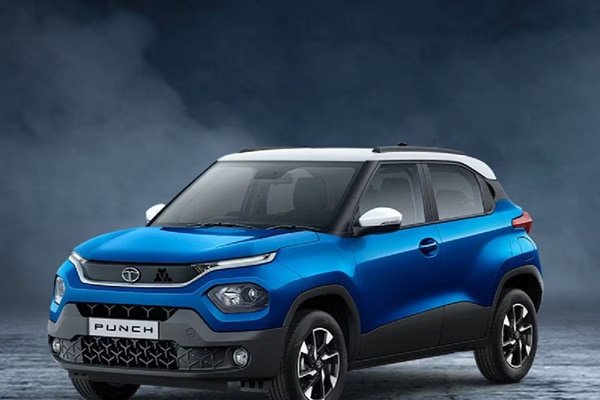
The Nexon has consistently ranked among the top-selling SUVs in India. Buyers trust it for its safety, design, and value. The Punch, a newer entrant, tapped into the micro SUV segment and attracted first-time buyers.
Together, these models helped Tata Motors build a strong presence in both urban and semi-urban markets.
Brand Perception Shift
A few years ago, Tata Motors struggled with image issues. Today, it is seen as a brand that delivers safe, stylish, and reliable cars.
This shift came from consistent improvements in design, build quality, and customer experience. The company focused on fixing past issues instead of ignoring them.
Electric Vehicles and First-Mover Advantage
Electric vehicles played an important role in shaping the company’s growth story. Tata Motors is currently a leader in India’s EV space.
Models like Nexon EV and Tigor EV have made electric mobility more accessible. Government incentives and rising fuel prices have pushed buyers toward EVs, and Tata moved early to capture this demand.
Focus on Safety as a Core Strength
Many Tata cars have received high safety ratings in crash tests. This has changed how Indian buyers think about car purchases.
Safety is no longer an afterthought. It is now a key decision factor, and Tata Motors has positioned itself strongly in this space.
Managing Supply Chain Challenges
During a time when many automakers struggled with semiconductor shortages, Tata Motors managed its inventory efficiently.
While challenges existed, the company handled them better than several competitors. This allowed it to meet demand when buyers were ready to purchase.
Expansion of Dealer Network
Tata Motors strengthened its presence in smaller towns and rural areas. This is important because a large portion of India’s car demand comes from these regions.
Improved accessibility and service support helped the company increase its reach and customer trust.
Marketing Strategy That Connects
The company focused on digital campaigns and strong product storytelling. Instead of generic ads, Tata Motors highlighted real features like safety, design, and value.
This approach made its messaging more relatable and effective for modern buyers.
Improved Customer Experience
Customer experience has improved across the board. From showroom visits to after-sales service, Tata Motors has worked to fix earlier issues.
Better service quality leads to higher satisfaction, which drives repeat purchases and positive word-of-mouth.
Competitive Landscape and Market Opportunity
Some competitors faced production constraints, while others lacked fresh product launches. Tata Motors used this gap to capture market share.
It introduced new models at the right time and kept its lineup updated with features that buyers care about.
Smart Pricing Strategy
Tata Motors positioned its cars competitively without compromising on features. This balance is critical in a price-sensitive market like India.
Buyers want value for money, and Tata delivered that across its portfolio.
Changing Trends in the Indian Auto Market
The Indian passenger vehicle market is evolving rapidly. Buyers are shifting from basic hatchbacks to SUVs.
There is also growing interest in premium features such as touchscreen systems, connected technology, and advanced safety features. Tata Motors aligned its products with these trends.
Design Evolution and Appeal
Modern Tata cars look bold and premium. This appeals to younger buyers who want style along with practicality.
Design is often the first thing a buyer notices, and Tata has made a strong impression in this area.
Financial Impact of Sales Growth
Higher sales volumes improve revenue and help the company achieve better economies of scale.
This supports further investment in research, development, and new product launches, creating a cycle of growth.
Leadership and Long-Term Strategy
The company’s leadership focused on long-term planning rather than short-term gains. Investments in product development, electric mobility, and brand building have started to show results.
This kind of growth reflects consistent execution over time.
Also Read : Mercedes Vision AVTR Price in India, Features, Design and Full Details
Challenges Ahead
The automotive industry remains highly competitive. Rising input costs, regulatory changes, and evolving customer expectations can impact future growth.
However, Tata Motors has shown that it can adapt and respond effectively.
Future of Electric Mobility
Electric mobility will be a key area to watch. Tata Motors has a strong early lead, but competition is increasing.
To maintain its leadership, the company will need to continue innovating and improving its EV offerings.
Expansion into Global Markets
Exports can provide additional growth opportunities. Tata Motors already has a presence in several international markets.
Further expansion could strengthen its global position and reduce dependence on domestic demand.
Technology and Innovation Focus
Connected car features, advanced driver assistance systems, and software updates are becoming standard expectations.
Tata Motors is investing in these areas, which will help it stay competitive in the long run.
Evolving Customer Expectations
Buyers now expect more than just a car. They look for a complete experience, including financing options, service quality, and digital support.
Tata Motors has made progress here, but continuous improvement will remain essential.
Conclusion: More Than Just a Growth Number
The 185.5 percent growth figure reflects a deeper transformation within Tata Motors. The company has moved from being a struggling player to a strong competitor in the Indian passenger vehicle market.
This growth also highlights the resilience of the Indian auto industry. As conditions improve, demand is expected to rise further, and Tata Motors is well positioned to benefit.
For buyers, this means better cars and more choices. For the industry, it raises the level of competition.
In the end, this growth is not just about numbers. It is about strategy, execution, and understanding what customers truly want.