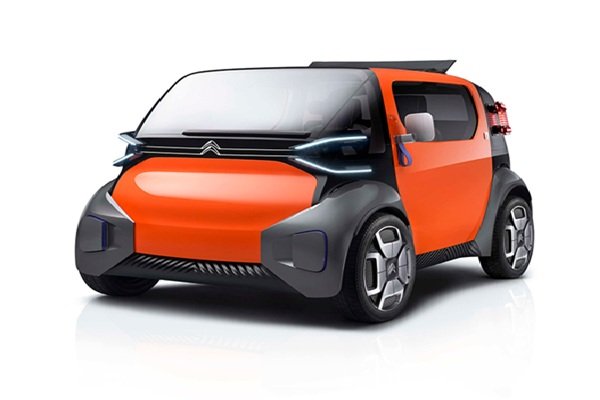
The Citroën Ami is one of the most unique electric mobility solutions ever developed. It is far smaller than a typical car yet more protective and practical than a scooter or bicycle. This tiny electric quadricycle fills a specific gap in urban travel by combining economy, safety, and simplicity in a package designed for daily life in crowded cities.
What the Citroën Ami Is
The Ami is a two‑door, battery‑electric quadricycle. It resembles a microcar but is classified differently from traditional cars, emphasizing ultra‑compact urban transport. Its electric motor powers the front wheels, and it seats two people side by side in a cabin that offers shelter, basic comfort, and protection from weather.
Unlike conventional small cars, the Ami is not high-speed. It’s built to be safe and maneuverable in dense city streets. Its maximum speed is about 45 kilometers per hour, and its electric range is roughly 75 kilometers on a single charge. These figures reflect everyday city travel patterns rather than highway performance.
Design and Architecture
The Ami’s design is minimalistic but clever. Citroën used symmetrical body panels front to back, which reduces production complexity and cost. The doors are unconventional: the driver’s side door swings outward from the front hinge, while the passenger door opens from a rear hinge. This makes access easy and adds visual character to the vehicle.
The cabin has a panoramic glass roof and large windows that create a surprisingly open feeling. Despite its tiny exterior, the interior feels light and airy. Citroën focused on essential functions rather than luxury features, keeping the layout simple and intuitive.
Technical Details
Under the Ami’s small frame is a compact electric motor that produces around 8 horsepower. Its lithium-ion battery has about 5.5 kWh capacity. A full recharge takes around four hours using a standard household electrical outlet, so special charging equipment is not necessary.
The vehicle’s small size also makes parking and tight turns easy. With a length of just over two meters and a turning circle of about 7.2 meters, navigating tight city corners is simple. It occupies about half a typical parking spot, which is a major advantage in dense urban environments.
Urban Mobility and Daily Use
The Ami’s electric range of around 75 kilometers fits common daily travel needs such as commuting to work, running errands, or short family trips. It does not require large amounts of energy, so operating costs are very low. Charging from a household outlet removes dependency on public chargers.
With zero tailpipe emissions and almost no noise when driving, the Ami is suitable for crowded cities where noise and pollution are problems. Its four-wheel design offers better stability and protection than a scooter or bicycle, making it safer for riders seeking a step up from two-wheelers.
Accessibility and Street Legal Use
In many countries, the Ami is classified under light quadricycle rules, not as a full car. This means it is often accessible with minimal licensing requirements. In some places, a category AM license or equivalent is enough to drive an Ami. In parts of Europe, even teenagers aged 14 and above can legally drive it with basic training and a low-speed license.
This accessibility is one reason why the Ami became popular among younger drivers as well as adults who want simple mobility without the expense and paperwork of traditional car ownership. It fills a niche between scooters, bicycles, and full cars.
Variants and Editions
Citroën has expanded the Ami range with several stylistic and functional variations. One notable version is the “Buggy,” which is a doorless edition with a canvas roof and an open-air feel. This model emphasizes fun and leisure riding while retaining the Ami’s core urban mobility identity.
Citroën also introduced customization packs that let buyers personalize colors, trims, and interior accessories. These options make the vehicle feel more personal and accessible for buyers who want a statement rather than just transportation.
Comfort and Practicality
Inside the Ami, comfort is simple but intentional. Seats are basic but offer headroom and space for two adults. The large windows and glass roof help the cabin feel spacious despite its tiny size. Storage compartments are modest but functional, appropriate for small bags or personal items.
Heater and ventilation systems are basic, focusing on function over luxury. There’s no complex infotainment system, but cabin space includes thoughtful spots for a smartphone and accessories, recognizing that drivers will use their own devices for navigation and entertainment.
Driving Experience
Driving the Ami feels different from a conventional car. At low speeds, its electric motor is quiet and smooth, with easy steering and minimal controls. Its top speed is limited by design, so it is best suited to inner-city streets rather than highways. For short trips in town, many drivers find it nimble and fun to handle.
The small four-wheel layout provides stability that two-wheel scooters lack. Some reviewers note that its suspension and seats can feel firm over rough roads, but the trade-off is a low-cost, low-maintenance driving experience that simply gets you from point A to point B efficiently.
Market Impact and Popularity
Since its launch, the Ami has sold tens of thousands of units across Europe, carving out a new category in micro electric mobility. It became a common sight in dense urban centers as an alternative to scooters or bicycles for daily errands, school runs, and short commutes.
It has also inspired other micro EVs from competitors. The trend for ultra-compact electric vehicles highlights a growing understanding that not all travel needs require full cars. Vehicles like the Ami point toward a future where small, efficient urban electric transport becomes a staple of city planning.
India Context and Expected Pricing
The Ami has not been officially launched in India, but grey-market imports and speculative pricing offer insight into how it might be received. Estimates suggest on-road prices between ₹8 lakh and ₹15 lakh or more, depending on import duties and modifications.
Some earlier speculations placed expected Indian ex-showroom pricing at lower levels, but these figures were optimistic and based on preliminary assumptions rather than official announcements. ₹7-8 lakh is often cited as a starting point for an imported Ami, with higher variants costing more.
If Citroën were to consider a formal India launch, pricing and specifications might be tailored to local regulations and infrastructure realities. A locally adapted Ami could change how urban electric mobility is perceived in Indian cities with heavy traffic and limited parking.
Also Read : Hummer H1 Price in india, Specs and Features 2026
Challenges and Limitations
While the Ami excels in city environments, its limitations are clear. Its low top speed and short range make it unsuitable for highways or long intercity trips. Its minimalist interior and basic features may not appeal to buyers seeking traditional automotive comforts.
Some drivers also comment on firm suspension and a lack of advanced safety or infotainment systems. These choices reflect the Ami’s focus on simplicity and affordability rather than a full premium experience.
Practical Use Cases
Despite limitations, the Ami performs exceptionally well in specific scenarios. For families needing a safe school run vehicle, the Ami offers protection compared to scooters. For city residents who want parking ease and low running costs, it fits perfectly. It also appeals to learners or younger drivers who want road access with minimal licensing hurdles.
Final Thoughts
The Citroën Ami represents a fresh way to think about urban electric mobility. It breaks conventions by prioritizing ease of use, affordability, and compact design over speed and luxury. Its simple electric drive, efficient space use, and nimble character make it a compelling choice for city dwellers who need practical transport.
Whether as a daily commuter, a learner’s first vehicle, or a fun urban runabout, the Ami brings a unique voice to the electric vehicle world one that challenges assumptions about what a vehicle must be.